

The game is on, the wings are in the oven, and someone has already texted the group chat about kickoff time. In Roppongi, Hiroo, or on base, that Sunday can feel much like home.
The television is on. The food is ready. The cooler is full. Everyone has the same focused attention that only a big game can create.
So what goes in the cooler? For many American beer drinkers, the answer is familiar. Budweiser has filled that role for generations.
The American lager Adolphus Busch helped build
Budweiser traces its origins to 1876, when Anheuser-Busch introduced the beer in St. Louis, Missouri. Adolphus Busch helped develop the brewery’s ambition to create a broadly distributed American lager.
From the beginning, Budweiser aimed for a light and approachable drinking experience. Its pale-gold color, crisp character, mild bitterness, and relatively light body helped establish its place in American beer culture.
Over the following decades, Anheuser-Busch expanded Budweiser’s reach across the United States and international markets. Today, breweries in different countries produce Budweiser under the brand’s global system.
The St. Louis connection remains central to its history. However, modern Budweiser production can vary by market, so consumers should check the label for the specific brewing location.
Budweiser’s familiar profile remains the main attraction. It is light enough for a long meal or game, yet flavorful enough to stand alongside grilled food and spicy dishes.
What to expect from Budweiser
Budweiser is a pale American lager with a clean, crisp profile. It typically offers mild malt sweetness, restrained bitterness, and a refreshing finish.
The beer’s moderate strength also makes it suitable for casual social drinking. However, always check the bottle or can for the ABV of the specific market version you are buying.
Most importantly, Budweiser does not try to dominate the table. Its straightforward character makes it easy to pair with food.
How Budweiser is enjoyed in the United States
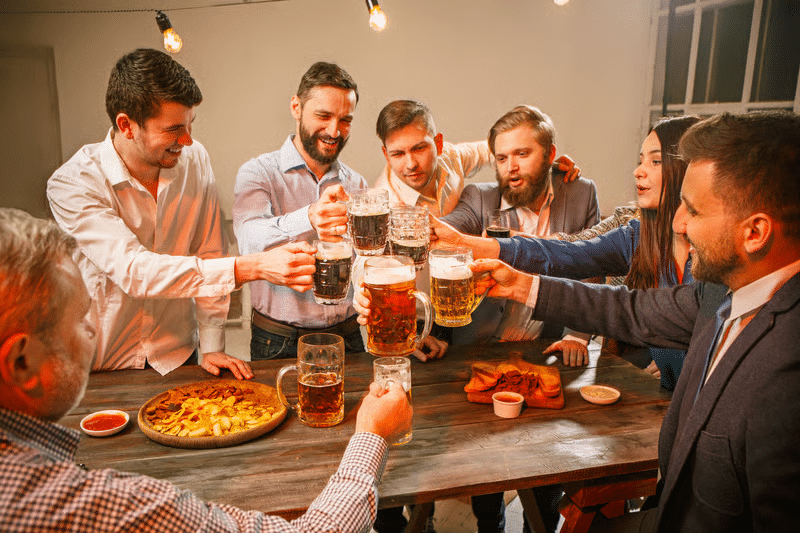
Cheers! needs no translation. It works at a backyard cookout, a birthday party, or a crowded sports bar.
At a big game, the toast can come quickly. Someone opens another bottle, glasses rise, and attention returns to the screen.
Food follows the same relaxed pattern.
Buffalo wings remain a natural game-day pairing. The wings bring heat, spice, and richness. Budweiser provides a cold, crisp contrast between bites.
Likewise, barbecue ribs and brisket fit the beer’s American setting. Slow-smoked meat brings deep, savory flavors. A chilled lager keeps the meal refreshing.
Burgers offer an even simpler pairing. The combination needs little planning. Put a burger on the grill, chill the beer, and the table is ready.
Budweiser and American celebrations
Sports are only part of the story.
The Fourth of July brings together grills, outdoor gatherings, fireworks, and cold beer. Memorial Day creates another familiar setting, with cookouts and gatherings marking the start of summer.
Super Bowl Sunday offers a different version. The television becomes the center of the room, while wings, burgers, chips, and beer keep people at the table.
These occasions helped connect Budweiser with casual American social life. That same atmosphere can also work for Americans living in Japan.
How to drink Budweiser in Japan
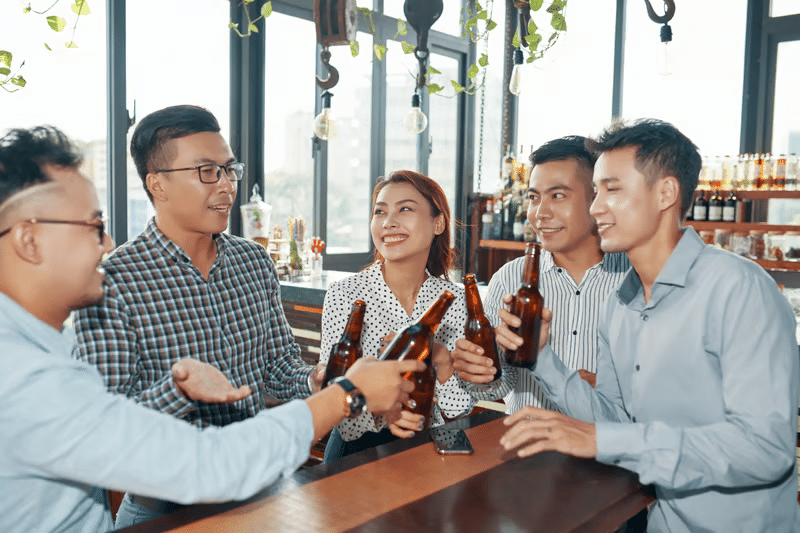
Serve Budweiser well chilled. A cold bottle or can works particularly well with salty, fried, or grilled food.
For an easy convenience-store pairing, try it with spicy karaage from Lawson. The fried chicken brings seasoning and crunch. The crisp lager refreshes the palate after each bite.
For a sit-down meal, try Budweiser with hambāgu. Japanese hamburger steak often comes with a rich sauce and rice. The beer’s mild bitterness provides a refreshing contrast without overwhelming the dish.
You can also take the pairing to an izakaya. Fried chicken, grilled meat, sausages, and other savory dishes all suit the beer’s straightforward character.
When to enjoy Budweiser in Japan
Summer is an obvious season for Budweiser. Outdoor gatherings, barbecues, and sports watch parties all suit a cold lager.
However, you do not need to wait for summer. A game night, birthday, weekend dinner, or casual gathering with friends works just as well.
For Americans living in Tokyo, areas such as Roppongi and Hiroo can provide a familiar setting. American-style bars and international communities make it easier to recreate a game-day atmosphere.
On U.S. military bases in Japan, American sports and food traditions can also remain an important part of social life.
Get Budweiser Beer delivered in Japan
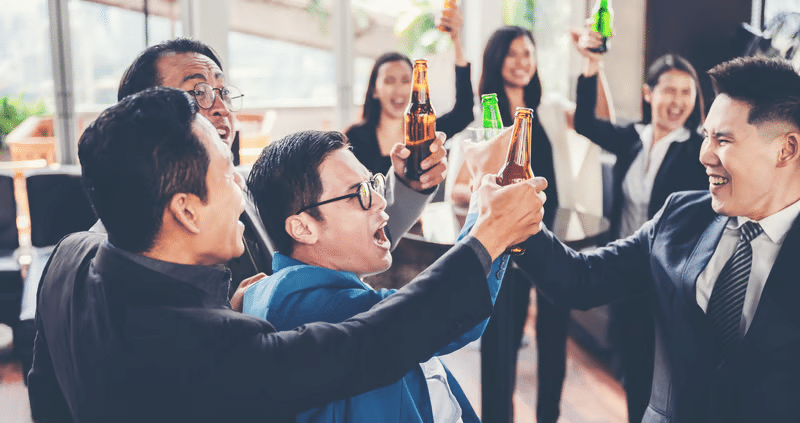
Budweiser Beer (330ml x 24 bottles) is available now at Omori Mart, with nationwide delivery across Japan.
- Free shipping on orders over ¥15,000
- Konbini payment accepted at FamilyMart, 7-Eleven, and Lawson — plus bank transfer and card
- Nationwide delivery
Rakuten and Amazon Japan do not carry Budweiser at import prices that match Omori Mart, or other American home-country brands sourced for the expat community. Omori Mart does.
[Shop Budweiser Beer →]
https://omorimart.com/product/budweiser-beer-330ml-x-24-bottles/
Cheers at a St. Louis table in 1876. Kanpai (乾杯) at a Tokyo one today. Americans in Japan adopt the word instantly — and the beer in the bottle has not changed in the time between.


 No products in the cart.