

Tadcaster is a small market town in North Yorkshire where the water is hard and the brewing tradition is older than the country’s railway network. Samuel Smith Old Brewery has operated on the same site in Tadcaster since 1758 — making it Yorkshire’s oldest brewery — and it continues to ferment in Yorkshire Stone Squares, the traditional slate fermentation vessels that most British breweries replaced with stainless steel decades ago. The Brown Beer is one of the brewery’s most distinctive expressions: a deep amber-brown English brown ale at 7.0% ABV with toasted nut character, caramel, and a light hop balance that reflects the ale tradition the brewery has maintained across two and a half centuries. If you are British and living in Tokyo and you want a beer that is genuinely old rather than merely old-fashioned, the Samuel Smith Brown Beer is where to start.
Yorkshire’s oldest brewery, unchanged since 1758
Samuel Smith Old Brewery was founded in 1758 in Tadcaster, North Yorkshire, making it the oldest surviving brewery in the county. The brewery is independently owned and has maintained a commitment to traditional production methods that distinguishes it from most British ale producers: the Yorkshire Stone Squares fermentation system — traditional slate vessels that affect the yeast character and the texture of the finished beer — remains in use at Tadcaster, and the brewery draws on a well sunk in 1758 for its water supply.
The Brown Beer is an English brown ale at 7.0% ABV, sitting at the stronger end of the style category. The pour is deep amber-brown, and the flavour profile is built on toasted nut character — the roasted grain quality of a brown ale without the sharpness of a stout — alongside caramel malt sweetness and a light hop balance that provides enough bitterness to keep the finish from becoming cloying. The Yorkshire Stone Squares fermentation is credited with producing the creamy, slightly rounded mouthfeel that Samuel Smith ales are known for — a texture that distinguishes them from brown ales produced in more standard fermentation vessels. At 7.0% ABV, the beer is substantial enough to carry a full meal and complex enough to deserve attention across the glass.
How Samuel Smith Brown Beer [ 355 ml x 24 Bottles ] is drunk at home
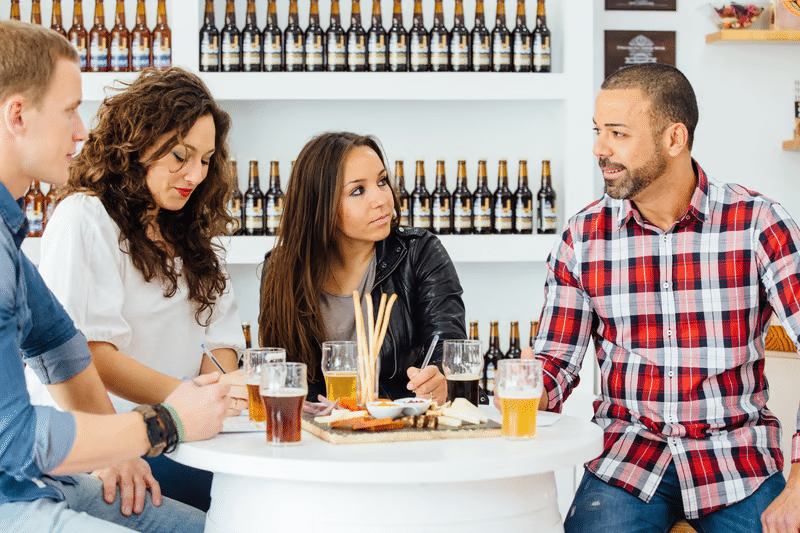
Cheers, mate! (CHEERZ-MAIT) — the British toast, at the pub and at the table, delivered with the same ease regardless of the occasion. Bottoms up! when the glass is nearly finished; Down the hatch! when the round came faster than expected. For a 7.0% brown ale from Yorkshire’s oldest brewery, Cheers, mate is the appropriate register — not celebratory, just honest.
In the UK, a brown ale at this strength and character belongs to the serious end of the Friday pub night — the beer ordered by the person who knows what they want rather than defaulting to the tap lager. The Sunday roast is where the Samuel Smith Brown Beer earns its place most fully: the toasted nut character alongside roast beef and the caramelised edges of the Yorkshire pudding, the caramel malt sitting with the gravy, the light hop balance providing the dry finish that cuts through the fat of the meal between bites. Fish and chips works in a lighter register — the salt and the battered fish alongside the caramel malt, the hop balance doing the work that a squeeze of lemon does in the more standard pairing. A ploughman’s lunch — mature cheddar, bread, pickle — is the pub pairing the Brown Beer was made for: the toasted nut character alongside aged cheese is one of the more straightforwardly satisfying combinations in British pub-food culture.
Premier League football on a Saturday afternoon calls for something cold and accessible during the match, but the Samuel Smith Brown Beer is what gets opened when the final whistle has gone and the afternoon has earned something with more to it.
How to drink it in Japan
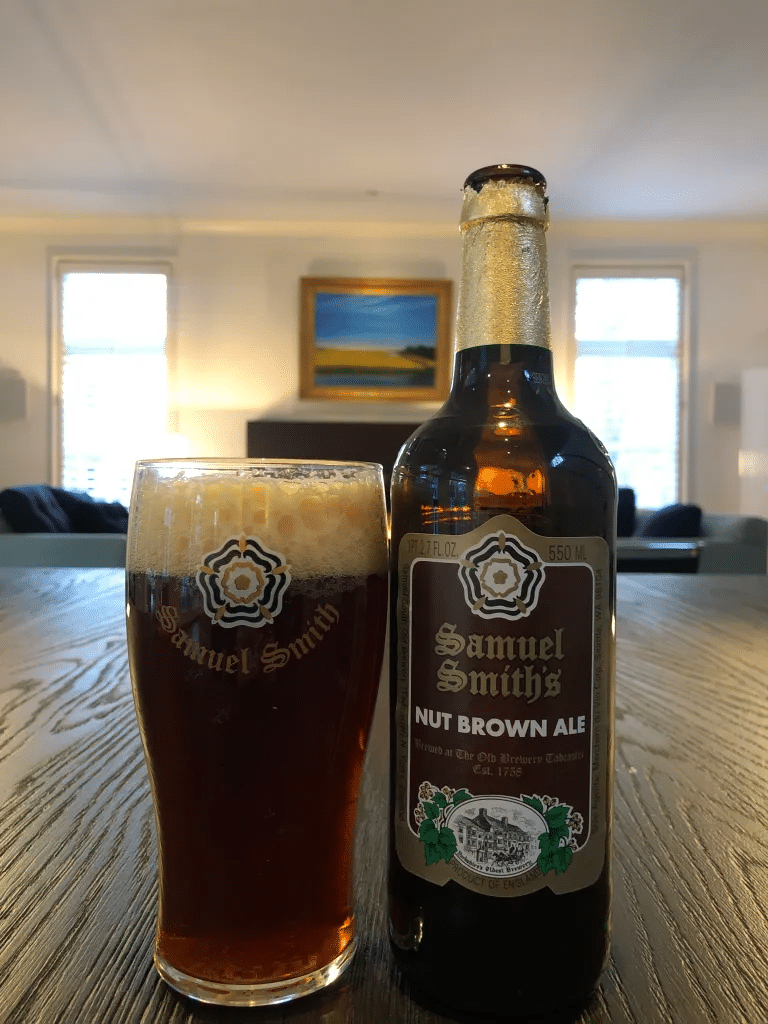
The Samuel Smith Brown Beer is an autumn and winter beer in Japan — October through March — when the toasted nut and caramel character of an English brown ale at 7.0% suits the temperature and the slower pace of the season. It is also the ale most likely to interest Japanese drinkers who follow British brewing traditions, given the Samuel Smith name’s reputation and the Yorkshire Stone Squares fermentation method’s specificity.
At Lawson, try it alongside a chestnut or sweet potato confection from the seasonal counter — the toasted nut character of the Brown Beer and the natural sweetness of autumn Japanese ingredients occupy the same flavour register, each making the other more comfortable. For a composed pairing at home, serve it with nikujaga — the Japanese meat-and-potato stew braised in soy and mirin — where the slightly sweet, reduced soy broth and the soft potato find a counterpart in the caramel malt and the toasted nut depth of the beer. The pairing follows the same logic as Sunday roast alongside a brown ale: a slow-cooked, slightly sweet meat dish alongside a malt-forward ale that matches the richness without adding weight.
Samuel Smith beers appear in some Tokyo specialist import shops at individual bottle prices that reflect their scarcity and reputation. By the case from Omori Mart — 355ml × 24 bottles — the per-bottle cost is considerably more accessible, and the case provides enough for a winter season of deliberate evenings.
Get Samuel Smith Brown Beer [ 355 ml x 24 Bottles ] delivered in Japan
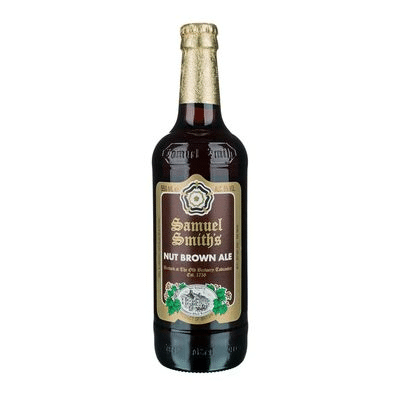
Samuel Smith Brown Beer [ 355 ml x 24 Bottles ] is available from Omori Mart, delivered nationwide across Japan.
- Free shipping on orders over ¥15,000
- Pay at FamilyMart, 7-Eleven, or Lawson — or by bank transfer or card
- Nationwide delivery to any address in Japan
Rakuten and Amazon Japan do not carry this label. Omori Mart is where British residents in Japan find the Yorkshire ales that carry the full weight of the tradition — including the one from the brewery that has not changed its fermentation method since 1758.
[Shop Samuel Smith Brown Beer →]
https://omorimart.com/product/samuel-smith-brown-beer-355-ml-x-24-bottles/
Cheers, mate in Tadcaster, where Samuel Smith Old Brewery has been drawing water from the same well since 1758 and fermenting in the same slate squares ever since, and kanpai at a Tokyo table in November — deep amber-brown, toasted nut, caramel, and a tradition that has not needed updating.



 No products in the cart.