

Almost every winter, somewhere between Tokyo and Kobe, a small group of Belgians gathers around a table set with cheese, dark bread, and bottles that clink like church bells. The talk moves between French and Flemish and back again, the way it always did at home. Someone opens a Lindemans Cassis, pours it slow so the purple foam settles, and for a moment the room smells like a Brussels café in December, sharp blackcurrant, old wood, quiet celebration.
A blackcurrant beer built on three centuries of brewing
Brouwerij Lindemans has been brewing in Vlezenbeek, a small town in Flemish Brabant just outside Brussels, since 1822. The brewery still stands on farmland where the family first grew grain and brewed for their own household. Lindemans Cassis is a fruit lambic: a spontaneously fermented Belgian beer base infused with blackcurrant, giving it a deep purple color and a sweet-tart character layered over the funk and dryness lambic is known for. At 3.5% ABV, it sits lighter than most Belgian styles, which is part of why it has traveled so well outside Belgium.
Lambic brewing is unique to the Zenne valley around Brussels, where wild airborne yeast does the fermentation instead of a cultivated strain. Lindemans has kept that method since the 19th century, aging the base beer in oak before blending in blackcurrant. It is not a novelty flavor added late — the fruit character is built into how the beer has been made here for generations, and it remains one of the most recognized fruit lambics produced in the region.
How Lindemans Cassis Lambic Mini [ 250 ml x 24 Bottles ] is drunk at home
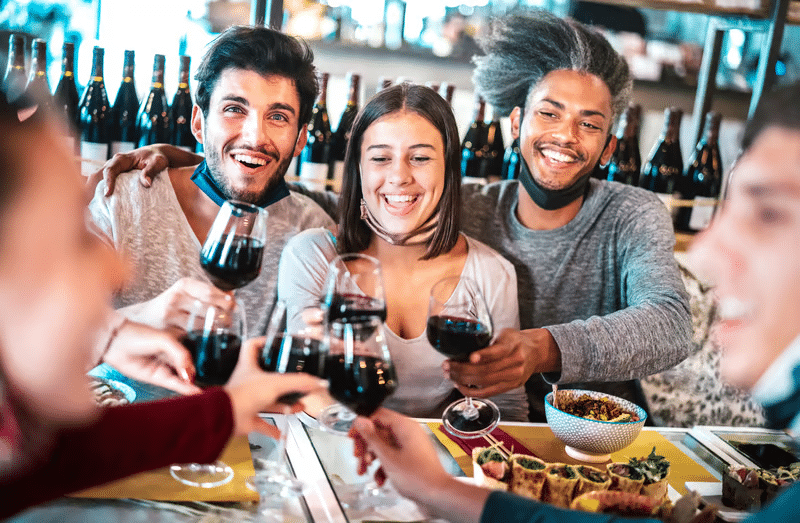
In Belgium, a beer is rarely just a beer — it comes with a toast. Santé! or, in Flemish, Op uw gezondheid! (sahn-TAY / op-uw geh-ZONT-hayt) means “to your health,” and you will hear one or the other depending on which side of the language line you are standing on.
Lindemans Cassis shows up often at Sunday family lunch, where Belgian households move through several beers across courses the way other countries move through wines. It sits comfortably next to moules-frites, the national dish of mussels and fries, its tartness cutting through the broth. It also pairs well with stoofvlees (carbonnade flamande), beef stew braised slowly in dark beer, and with a paper cone of Belgian fries and mayonnaise — treated here as something close to a national religion. Beyond the family table, Cassis also turns up at Trappist abbey pilgrimages and beer festivals, occasions where Belgian beer carries something closer to monastic weight than casual refreshment.
How to drink it in Japan

In Japan, Lindemans Cassis works best chilled, poured into a wine glass rather than a beer glass, so the color and the sparkle show. Pick up a bag of FamilyMart’s fried chicken (famichiki) on the way home — the saltiness plays surprisingly well against the fruit sweetness. For a Japanese pairing, try it alongside yuzu-marinated grilled fish; the citrus and the blackcurrant sit close enough on the palate to feel intentional rather than accidental. It shines especially in early autumn, when the sweetness reads as warm rather than heavy.
At a Belgian restaurant in Tokyo, a single glass of Lindemans Cassis runs around ¥1,300 to ¥1,600. At Omori Mart, buying by the case brings the per-bottle cost down well below that.
Get Lindemans Cassis Lambic Mini [ 250 ml x 24 Bottles ] delivered in Japan
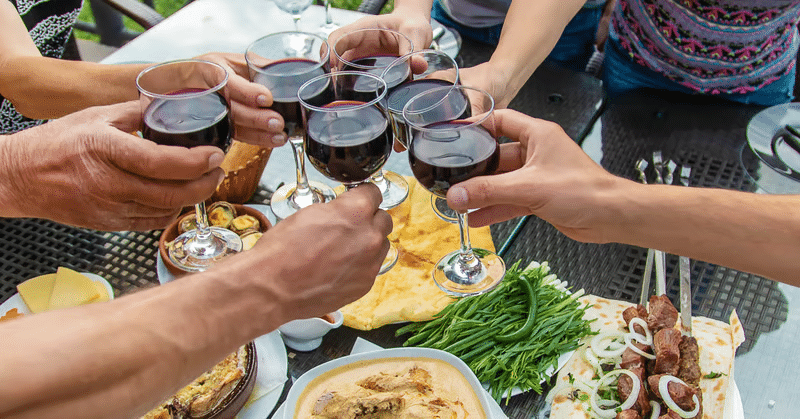
The Lindemans Cassis Lambic Mini [ 250 ml x 24 Bottles ] case is available now through Omori Mart, shipped nationwide across Japan.
- Free shipping on orders over ¥15,000
- Pay by konbini (FamilyMart, 7-Eleven, Lawson), bank transfer, or card
- Delivered nationwide, no matter where in Japan you are
Rakuten and Amazon Japan do not carry this brand — Omori Mart does.
[Shop Lindemans Cassis Lambic Mini [ 250 ml x 24 Bottles ] →]
https://omorimart.com/product/lindemans-cassis-lambic-mini-250-ml-x-24-bottles/
Wherever you are drinking it in Japan, the toast still works. Santé, or Op uw gezondheid — followed by a Japanese Kanpai (乾杯) from whoever you are sharing the table with. Two languages, two countries, one glass raised at the same time.



 No products in the cart.