

The difference between dry and sweet cider matters to serious cider drinkers. Galicia’s traditional sidra culture sits firmly on the dry side of that divide.
Maeloch Dry Cider Beer from Hijos de Rivera and Maeloc offers a drier expression within the Maeloc range. It delivers a sharper apple character, less sweetness than Maeloc Original, and a clean, dry finish. The result encourages another sip rather than leaving a lingering sweetness.
At 4.5% ABV, it is slightly stronger than Maeloc Organic. It suits drinkers who already appreciate Galician sidra and want a drier profile. If Maeloc Original introduced you to the range, Maeloch Dry offers the next step.
Galicia’s Dry Sidra Expression
Hijos de Rivera owns the Maeloc label and produces its cider range in Galicia. The same A Coruña family business also operates the Estrella Galicia beer brand.
Maeloch Dry represents the drier end of the range. Its profile reflects the modern side of Galician cider production while maintaining the character associated with northwest Spain.
The cider has a pale-gold colour and a distinct apple character. However, its defining feature is the dry finish. It contains less sweetness than Maeloc Original and delivers a sharper fermented-apple character.
The result feels closer to traditional Galician sidra than a sweeter fruit cider. At 4.5% ABV, it remains easy to drink without feeling too light.
The 330ml bottle and can formats also make it practical for tapeo. Serve it cold at home, take it to a gathering, or enjoy it alongside a food-focused meal.
How Maeloch Dry Cider Beer is drunk at home

¡Salud! (sah-LOOD) is the classic Spanish toast. You will hear it everywhere from the sidrería to the tapas bar.
In the Galician and Asturian cider traditions, the toast often accompanies the pour. Traditional servers use the high escanciar technique to aerate the cider as it falls from the bottle into the glass. With a 330ml can, however, the serving process is much simpler. The toast remains the same.
In Spain, dry sidra pairs naturally with food. Sidrerías often serve it alongside grilled chorizo, aged cheese, and bacalao. These foods bring salt, fat, and strong flavours that work well with a crisp, dry cider.
Jamón ibérico is another excellent pairing. The salt and richness of the cured ham contrast with the sharp apple character of Maeloch Dry. The dry finish also helps refresh the palate between bites.
Other tapas work just as well. Try it with olives, fried foods, or oil-rich dishes. The cider’s acidity and dry finish help balance those richer flavours.
Paella also makes a natural match. Its saffron, seafood, and slow-cooked richness benefit from the cider’s sharpness. The acidity provides a refreshing contrast that can play a similar role to a squeeze of lemon.
Regional fiestas and Spain’s National Day on October 12 also bring Spanish communities in Tokyo together. The can format makes Maeloch Dry convenient for outdoor gatherings. Individual portions are easy to transport, chill, and serve.
How to Drink Maeloch Dry Cider in Japan
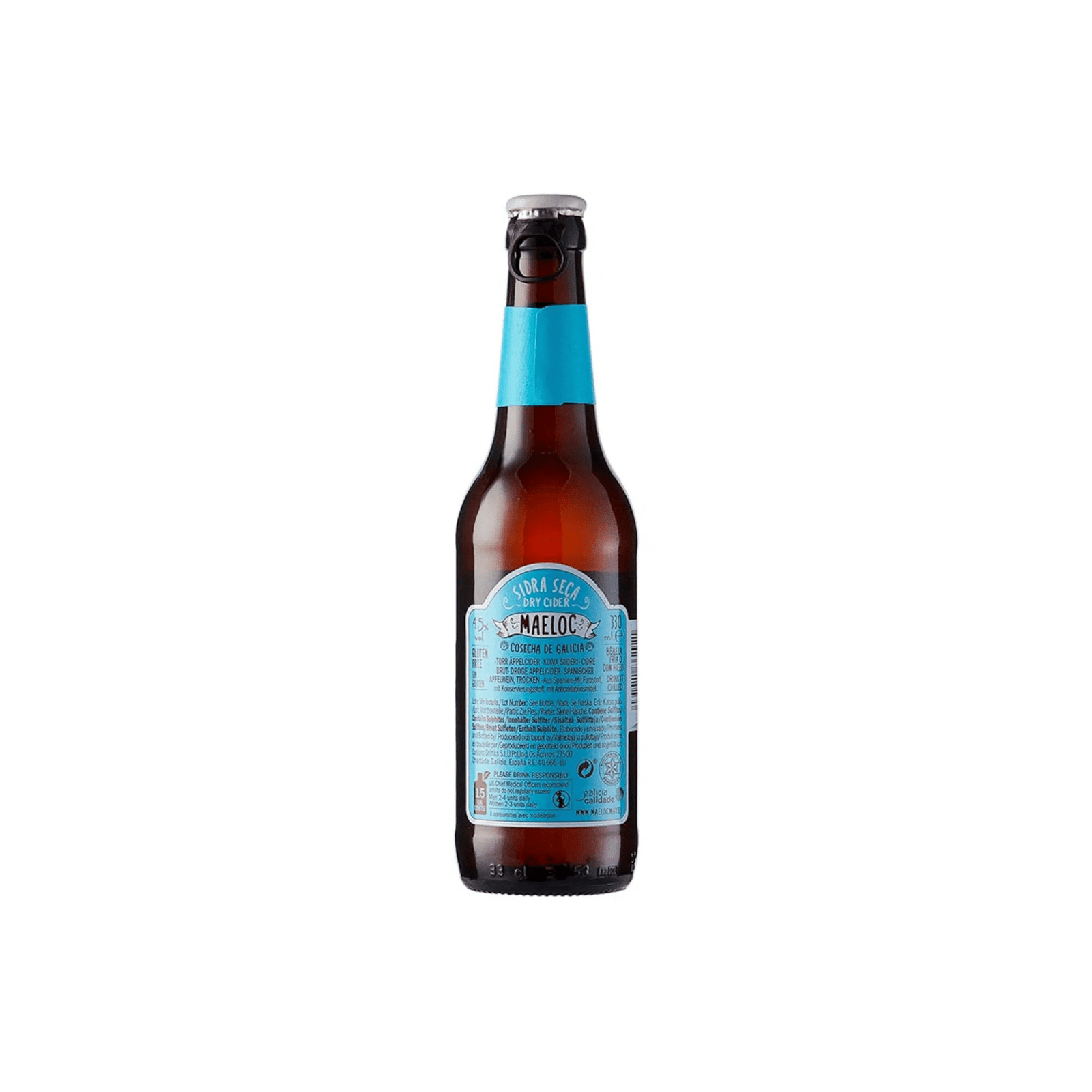
The Maeloch Dry Cider is a warm-season drink in Japan — May through September — when the sharp apple character and the dry finish suit the heat and the food-heavy outdoor occasions that summer generates. It is also the cider most suited to the growing Spanish restaurant scene in Tokyo, where a dry Galician cider alongside seafood tapas or gambas ajillo is a pairing that Spanish food-literate Japanese diners are increasingly ready to encounter.
At FamilyMart, try it alongside grilled chicken with salt and lemon from the hot counter — the clean protein, the salt, and the citrus note respond directly to the sharp apple character of the Maeloch Dry, the dry finish cutting through the seasoning between bites in the same way a dry wine would. For a composed pairing at home, serve it with oysters on the half shell with a mignonette-style dressing of rice vinegar and shallot — the brine of the oyster and the acidity of the dressing find the sharp apple and dry finish of the Maeloch in a pairing that follows the sidrería logic directly: dry fermented apple alongside shellfish from the same Atlantic coastal tradition that Galicia and Japan both share. It is a pairing that needs no translation.
Galician dry cider in 330ml bottle and can format is not available through Tokyo’s standard retail channels. By the case from Omori Mart — 330ml × 24 bottles or 330ml × 24 cans — the per-unit cost is accessible for a dry Galician cider at this format, and the case covers the season’s worth of food-pairing occasions.
Get Maeloch Dry Cider Beer delivered in Japan
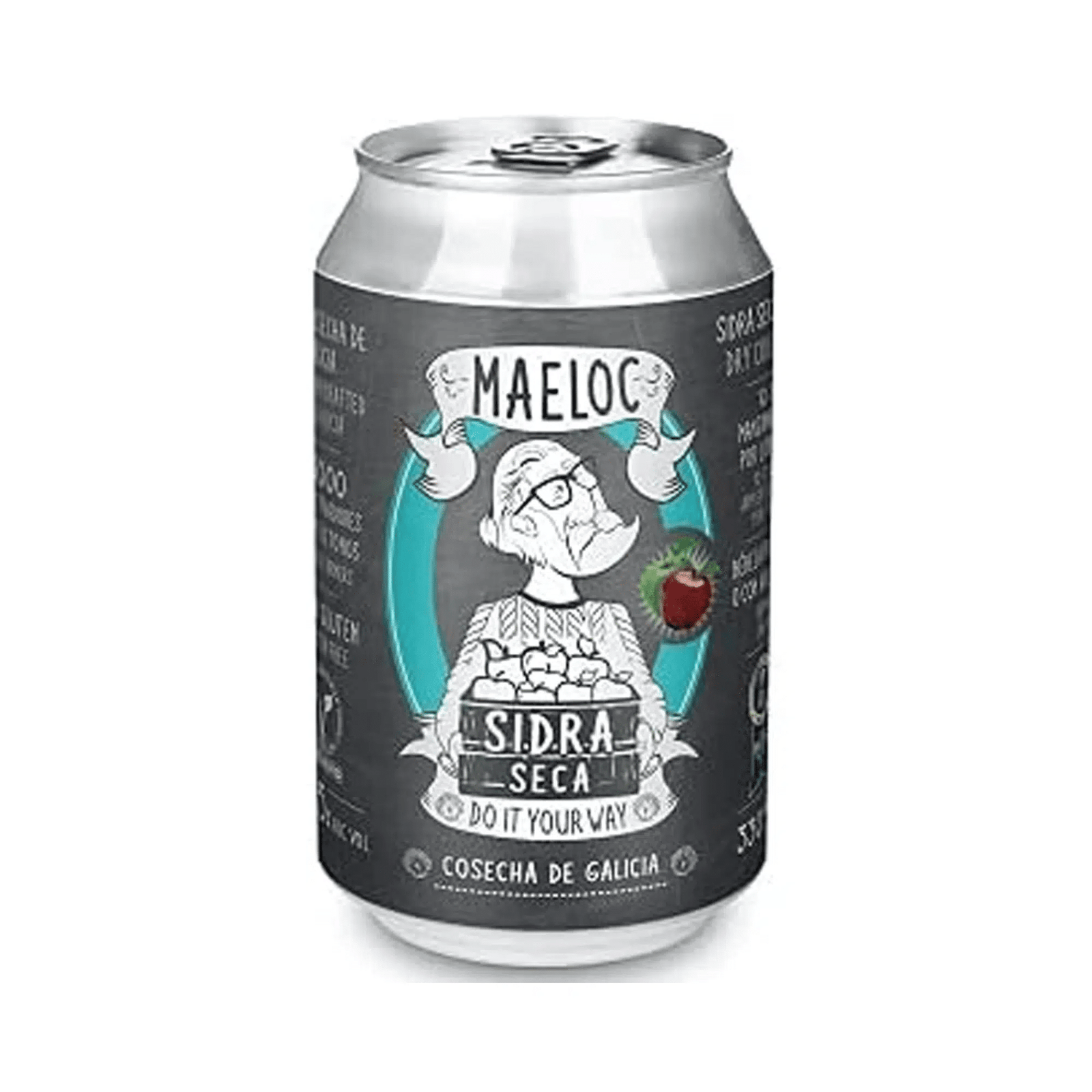
Maeloch Dry Cider Beer is available from Omori Mart in 330ml × 24 bottle cases and 330ml × 24 can cases, delivered nationwide across Japan.
- Free shipping on orders over ¥15,000
- Pay at FamilyMart, 7-Eleven, or Lawson — or by bank transfer or card
- Nationwide delivery to any address in Japan
Rakuten and Amazon Japan do not carry this label. Omori Mart is where Spaniards in Japan find the Galician sidra range in full — including the dry expression that the traditional cider culture was built on.
[Shop Maeloch Dry Cider Beer →]
- https://omorimart.com/product/maeloch-dry-cider-beer-330ml-x-24-bottles/
- https://omorimart.com/product/maeloch-dry-cider-beer-can-330ml-x-24-cans/
¡Salud! in Galicia, where the dry sidra tradition has been pairing sharp fermented apple with Atlantic shellfish long before anyone needed to explain why they go together, and kanpai at a Tokyo table in July — pale gold, sharp apple, dry to the finish, and exactly what the seafood called for.



 No products in the cart.