

There is a kind of evening in Hong Kong that needs no name. The match has finished, the last dim sum order has returned empty, and nobody is ready to leave. Conversation settles into the relaxed rhythm that comes after hours at the same table.
At this point, the beer is no longer a session lager. It is Red Horse: deep gold, full-bodied, and built for the long end of the night.
The strong lager Hong Kong made its own
Red Horse Beer launched in 1982 as San Miguel Brewery’s extra-strong lager. The brewery produces it in the Philippines and exports it across Asia.
In Hong Kong, Red Horse developed a strong following in working districts and late-night bars. The city’s Filipino community also helped make the brand a familiar sight. Over time, Red Horse became an established choice among drinkers looking for a stronger lager.
Red Horse is an 8% ABV pale lager. It pours deep gold and delivers noticeable malt sweetness, a full body, and a warming alcohol finish. Its strength comes through clearly without becoming harsh.
This is not a delicate beer. It does not try to be one. At 8% ABV, Red Horse sets the pace rather than following it.
Its place in Hong Kong feels specific. It is not the obvious choice for a formal banquet or Sunday brunch. Instead, it fits the moment when the planned part of the evening ends and nobody wants to go home yet.
How Red Horse fits a Hong Kong table
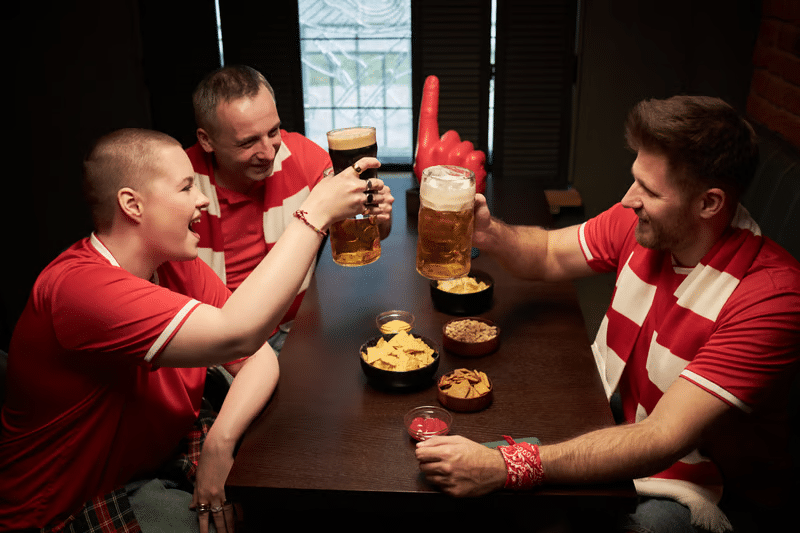
Yum sing! (yum-SING) is a Cantonese toast often heard at celebrations and gatherings. It expresses the spirit of drinking to victory. With an 8% ABV beer in hand, the toast carries a little more weight.
Dim sum makes a natural daytime setting. A multigenerational yum cha table can stretch for hours as bamboo baskets arrive one after another. Red Horse fits the more relaxed stage of the meal, when the tea has given way to something stronger.
Roast goose with plum sauce makes a particularly rich pairing. The beer’s malt sweetness matches the richness of the crisp goose skin. The plum sauce adds acidity and keeps the combination balanced.
Late at night, wonton noodles offer a different contrast. Clear broth, thin noodles, and pork and prawn wontons bring a clean simplicity to the table. After a Red Horse or two, that simplicity can be exactly what you want.
Football provides another natural setting. Whether the English Premier League match is live or on replay, a strong lager and a long game need little explanation.
How to drink Red Horse in Japan
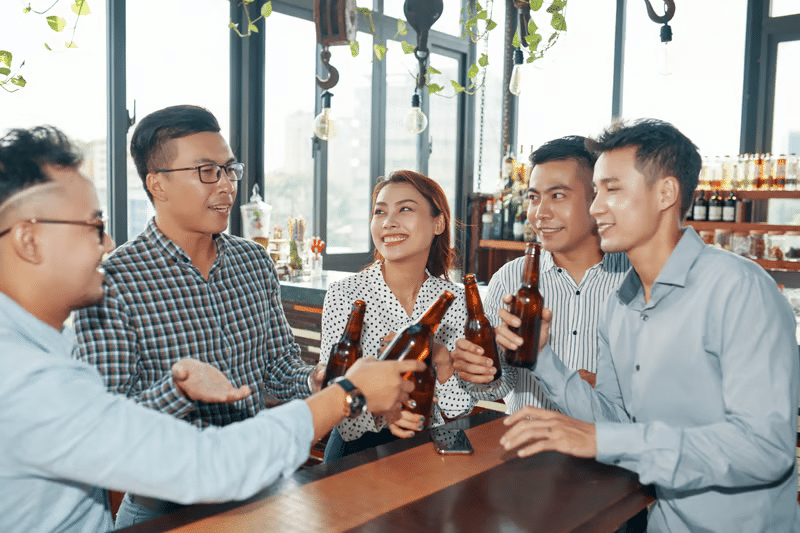
At 8% ABV, Red Horse works best as a beer to pace rather than session. One cold bottle alongside food is a sensible approach. This is not a three-can evening beer. It is a one- or two-bottle occasion that benefits from a proper meal.
On a cold night, try it with a 7-Eleven pork nikuman. The bun’s savoury, fatty filling matches the beer’s rich malt character. The combination also suits autumn and winter in Tokyo.
For a sit-down pairing, try Red Horse with buta kakuni, the Japanese braised pork belly dish. Slow-cooked in soy sauce and mirin, the pork carries a rich, sweet glaze. The beer’s malt sweetness works naturally with those flavours.
The 8% ABV also gives Red Horse enough weight to stand alongside the pork. It does not disappear behind the richness of the dish.
Autumn and winter suit Red Horse particularly well in Japan. The warming alcohol finish becomes an advantage when temperatures fall.
At a Tokyo bar that stocks imported strong lagers, a 330ml bottle can cost around ¥900 to ¥1,200. Buying by the case from Omori Mart can reduce the per-bottle cost considerably.
Get Red Horse Beer delivered in Japan
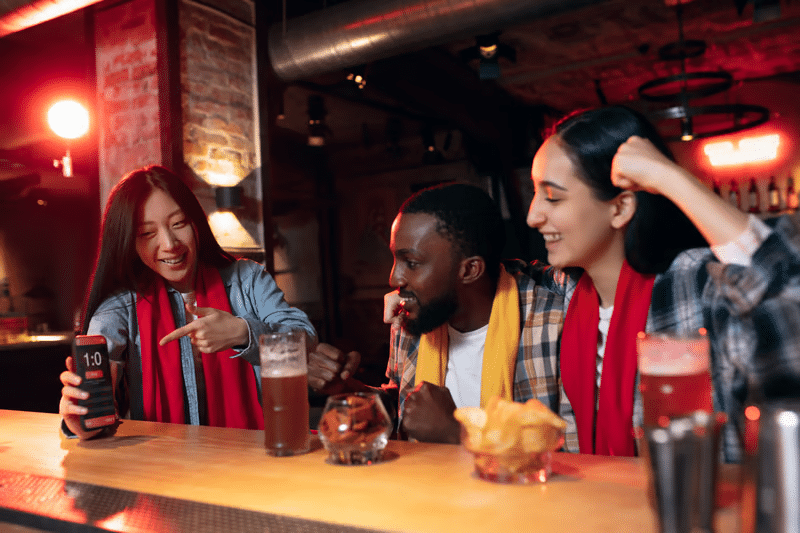
Red Horse Beer (330ml x 24 bottles) is available now at Omori Mart, with nationwide delivery across Japan.
- Free shipping on orders over ¥15,000
- Konbini payment accepted at FamilyMart, 7-Eleven, and Lawson — plus bank transfer and card
- Nationwide delivery
Rakuten and Amazon Japan do not carry Red Horse Beer or other Hong Kong market brands. Omori Mart does.
[Shop Red Horse Beer →]
https://omorimart.com/product/red-horse-beer-330ml-x-24-bottles/
Yum sing at a Hong Kong table where the evening has found its pace. Kanpai (乾杯) shares the same character lineage, the same intention. At 8%, both toasts mean exactly what they say.


 No products in the cart.