

There is a particular kind of table that needs no explanation. The hot pot is already bubbling. The jiǎozi are cooling on the plate. Someone has opened the first bottle without asking if anyone wants one.
In Ikebukuro, Yokohama Chinatown, and Osaka, that table exists right now. If the evening is going as planned, the beer on it is Tsingtao. Cold, pale gold, and familiar.
China’s most recognised beer
From Qingdao to the world
Tsingtao Brewery began in 1903 in Qingdao, Shandong. German and British investors brought European lager-brewing techniques to the Chinese coast.
More than a century of brewing followed. Today, Tsingtao remains closely associated with Qingdao and Chinese beer culture.
The brewery also uses water from the Laoshan area near Qingdao. The region’s mountain springs have long played a role in local brewing.
What Tsingtao tastes like
Tsingtao is a pale lager with a clear golden colour. It offers a clean, crisp profile with mild hop character and a light malt finish.
Its German brewing heritage shows in the beer’s restraint. Rather than adding layers of intense flavour, Tsingtao focuses on balance and drinkability.
At 4.7% ABV, it also works well as a session beer. It can accompany a long meal without demanding attention from the food.
A familiar beer beyond China
Tsingtao has become one of China’s best-known beer brands internationally. The brewery exports its beer to markets around the world.
That international presence reflects its role at home. Tsingtao remains a familiar choice for meals, celebrations, and social gatherings.
How Tsingtao Beer fits a Chinese table

Raise a gānbēi
Gānbēi (乾杯) literally means “dry the cup.” In Chinese drinking culture, the toast can function as an instruction to finish the drink.
At a business dinner, the rounds may follow a more formal rhythm. At a Spring Festival gathering, however, the pace can change quickly.
The bottles open. The glasses rise. Then another round begins.
Start with hot pot
Hot pot — huǒguō — is a natural match for Tsingtao. The communal pot sits in the centre of the table while diners add ingredients throughout the meal.
The broth grows richer over time. Meat, seafood, vegetables, tofu, and noodles all take turns in the pot.
Tsingtao keeps the pairing simple. Its clean finish refreshes the palate between bites. Meanwhile, its mild malt character sits comfortably beside the savoury broth.
Pair it with jiǎozi
Jiǎozi are another classic combination. Families often prepare large batches for celebrations such as Spring Festival.
The dumplings can contain pork, vegetables, seafood, or other fillings. Tsingtao works across these variations because it does not overpower the filling.
The same principle applies at a busy family table. The food changes from dish to dish, while the beer remains consistent.
Try it with Peking duck
At a formal dinner, Peking duck arrives sliced at the table. Diners wrap the crisp duck skin and meat in thin pancakes with hoisin sauce and scallions.
The duck brings richness. The sauce adds sweetness. Tsingtao then provides a clean finish that refreshes the palate.
Spring Festival remains an important occasion for Chinese beer and food. Meanwhile, business dinners give Tsingtao another familiar setting.
How to drink Tsingtao in Japan
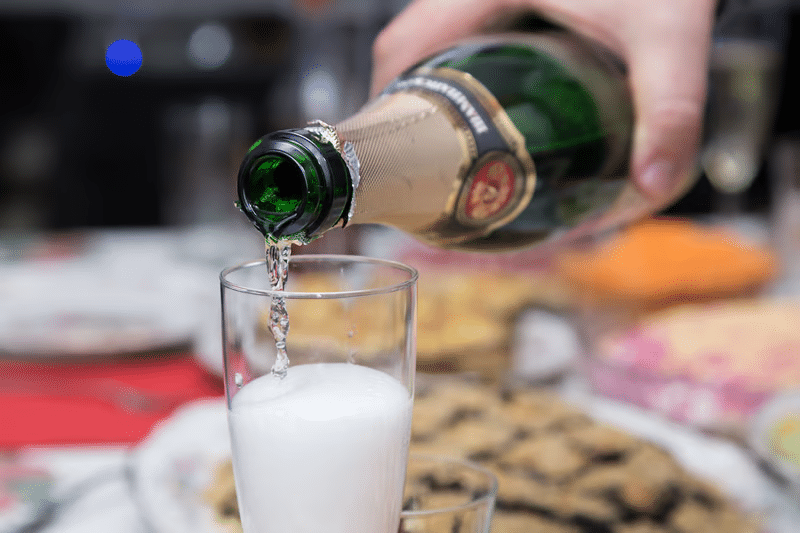
Choose a bottle or can
Both bottles and cans work well in Japan. Your choice mainly depends on the occasion.
A bottle suits a shared table or restaurant-style meal. A can fits more easily into a home fridge and works well for a casual evening.
Either way, serve Tsingtao cold. Then pair it with a simple Japanese favourite.
Try it with Lawson karaage
For an easy home pairing, try Tsingtao with a Lawson karaage pack.
The fried chicken brings crisp texture and savoury seasoning. Tsingtao cuts through the richness and leaves a clean finish.
The combination follows the same basic idea as Tsingtao and jiǎozi. Rich food meets a crisp, refreshing lager.
Pair it with chāshū rāmen
For a sit-down meal, try Tsingtao alongside chāshū rāmen at a Tokyo ramen shop.
The pork adds richness to the bowl. The broth and tare bring additional savoury depth. Tsingtao’s mild hop character provides a refreshing contrast.
As a result, the beer helps reset the palate between bites. It follows the same logic as the classic hot pot pairing.
When to drink it
Summer is an obvious season for Tsingtao in Japan. However, the beer also fits winter celebrations and Spring Festival meals.
At some Chinese restaurants in Tokyo, a bottle or can may cost around ¥700–¥1,000. Buying a case from Omori Mart can reduce the per-unit cost.
Get Tsingtao Beer delivered in Japan

Tsingtao Beer is available at Omori Mart in two formats — 330ml x 24 bottles and 330ml x 24 cans — with nationwide delivery across Japan.
- Free shipping on orders over ¥15,000
- Konbini payment accepted at FamilyMart, 7-Eleven, and Lawson — plus bank transfer and card
- Nationwide delivery
Rakuten and Amazon Japan do not carry Tsingtao Beer or other home-country brands from China. Omori Mart does.
[Shop Tsingtao Beer →]
- https://omorimart.com/product/tsingtao-beer-can-330ml-x-24-cans/
- https://omorimart.com/product/tsingtao-beer-330ml-x-24-bottles/
Gānbēi has been called at Chinese tables for longer than most countries have had a national beer. Kanpai (乾杯) carries the same characters and the same weight. The bottle in your hand connects both.


 No products in the cart.