

Sunday afternoon in a Bavarian biergarten has a rhythm of its own. Long wooden tables fill gradually, chestnut trees provide shade, and tall glasses of cloudy wheat beer catch the sunlight. Benediktiner Weissbier captures that relaxed Bavarian atmosphere in every glass.
Inspired by the brewing tradition of Ettal Abbey, this German wheat beer combines a distinctive yeast character with a refreshing finish. Now available from Omori Mart in Japan, it brings a taste of Bavaria to your table.
Four Centuries of Brewing Tradition
Benediktiner Weissbier draws on the brewing heritage of Ettal Abbey, founded in 1330 in the Bavarian Alps. The Benedictine monks developed a tradition of brewing that became part of the region’s cultural heritage.
Today, Benediktiner Weissbier connects that history with modern brewing. Bitburger Braugruppe produces the beer under licence from Ettal Abbey, bringing the brand’s monastic heritage to a wider audience.
What Makes Benediktiner Weissbier Special?
Benediktiner Weissbier is a Bavarian hefeweizen, a wheat beer known for its cloudy appearance and distinctive yeast aromas. Its pale golden colour, soft wheat body, and refreshing finish make it an appealing choice for fans of traditional German beer.
The beer typically features banana-like fruitiness and gentle clove notes. These aromas come from the yeast used during fermentation. Its cloudy appearance also reflects the suspended yeast that characterises many traditional hefeweizens.
At approximately 5.4% ABV, Benediktiner Weissbier offers a balanced profile that suits relaxed meals and social occasions. Its combination of wheat, yeast, and gentle fruit notes creates a recognisable Bavarian character.
The beer also connects two brewing worlds. Ettal Abbey contributes the historical heritage, while Bitburger Braugruppe brings modern production expertise. Together, they keep this traditional wheat-beer style accessible to enthusiasts in Japan.
How to Enjoy Benediktiner Weissbier at Home

In Germany, Prost! means “cheers.” Friends raise their glasses, make eye contact, and enjoy the moment together. For Benediktiner Weissbier, a tall wheat-beer glass makes an excellent serving choice. Its shape showcases the cloudy golden colour and helps support a generous white head.
Traditional Bavarian Food Pairings
Bratwurst with mustard is a classic starting point. The savoury sausage and sharp mustard complement the beer’s fruity yeast character. Meanwhile, its refreshing finish helps balance the richness of the grilled meat.
Next, try a traditional German pretzel, known as a Brezel. Its chewy texture and salty crust contrast with the beer’s soft wheat character. This simple pairing works well for a light snack or a relaxed afternoon.
For a more substantial meal, serve Benediktiner Weissbier with Schweinshaxe, the famous Bavarian roasted pork knuckle. The crispy skin and rich pork flavour pair nicely with the beer’s refreshing finish.
These combinations reflect the relaxed spirit of Bavarian dining. Rather than making the beer the sole focus, they allow its flavour to complement familiar, satisfying food.
A Beer for Social Occasions
Bavarian beer culture includes lively festivals and peaceful afternoons in traditional beer gardens. Oktoberfest, held in Munich from late September into early October, is one of the region’s best-known celebrations.
However, you do not need a festival to enjoy a wheat beer. Benediktiner Weissbier also suits weekend lunches, outdoor gatherings, and dinners with friends. Its approachable flavour makes it an easy addition to a shared table.
How to Enjoy Benediktiner Weissbier in Japan
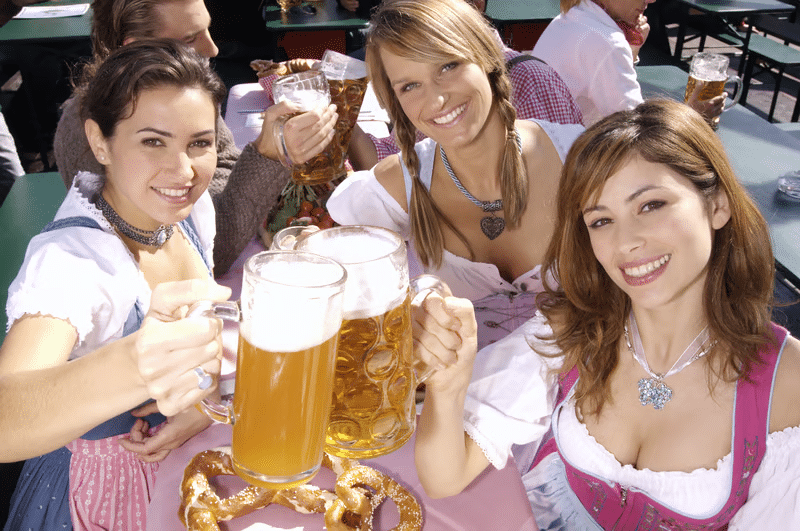
You can bring a little Bavarian beer culture into your Japanese home with the right glass and a suitable food pairing.
For the best experience, chill the beer and serve it in a tall wheat-beer glass. Pour slowly while holding the glass at an angle. Near the end, gently swirl the remaining beer in the bottle to lift the yeast sediment, then add it to the glass if you prefer the traditional cloudy finish.
Japanese Food Pairing Ideas
For a casual meal, pair Benediktiner Weissbier with chicken karaage. The crisp coating and savoury chicken complement the beer’s fruity yeast aromas. Its refreshing character also balances the richness of the fried food.
For a more refined option, try white fish carpaccio or steamed clams. The beer’s gentle fruitiness and soft wheat body complement delicate seafood without overpowering it.
Spring and summer are particularly appealing seasons for wheat beer in Japan. Nevertheless, its versatile flavour also suits autumn gatherings and Oktoberfest celebrations.
For a relaxed evening at home, keep a few bottles chilled and serve them alongside your favourite dishes. This simple approach brings the spirit of a Bavarian biergarten to your table, wherever you live in Japan.
Buy Benediktiner Weissbier Beer in Japan
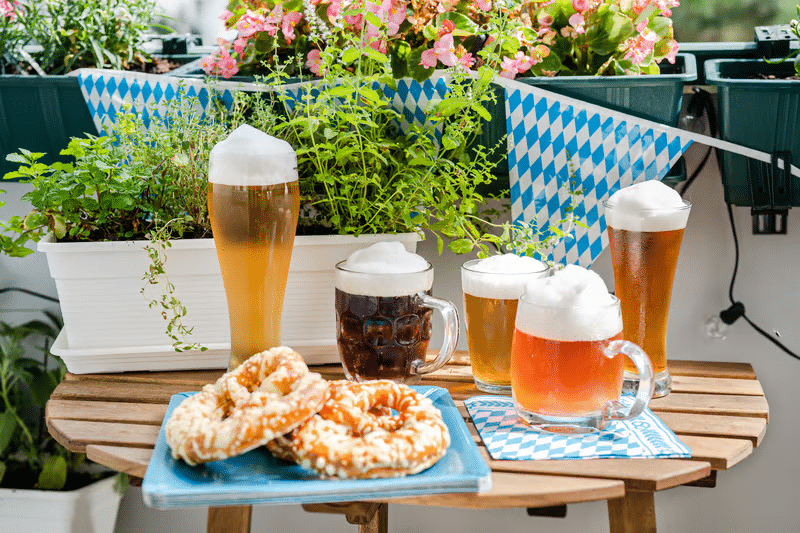
Benediktiner Weissbier Beer (330ml x 24 bottles) is available now at Omori Mart, with nationwide delivery across Japan.
- Free shipping on orders over ¥15,000
- Konbini payment accepted at FamilyMart, 7-Eleven, and Lawson — plus bank transfer and card
- Nationwide delivery
Rakuten and Amazon Japan do not carry Benediktiner Weissbier or other German home-country brands at this level. Omori Mart does.
[Shop Benediktiner Weissbier Beer →]
https://omorimart.com/product/benediktiner-weissbier-beer-330ml-x-24-bottles/
Prost in Ettal, cloudy pale gold and abbey-brewed since 1609. Kanpai (乾杯) in Tokyo, where the biergarten afternoon arrives every autumn and the wheat beer belongs on the table either way.


 No products in the cart.