

A Sunday afternoon in a Bavarian biergarten has a distinctive charm. Long wooden tables fill with friends, and cloudy golden beer catches the afternoon light. The aroma of wheat and citrus rises before the first sip. Gohobia White Ale Beer brings a similar refreshing beer experience to tables in Japan. Available in cases of 24 bottles from Omori Mart, it offers a convenient option for enjoying wheat beer at home.
Discover Gohobia White Ale Beer
Gohobia White Ale Beer is listed in Omori Mart’s imported and specialty beer selection. Its name and presentation suggest a white ale inspired by the European wheat beer tradition. However, the precise brewing origin, producer, and ingredient list should be confirmed against the current product label before publication.
White ales and witbiers typically feature a pale, cloudy appearance and a refreshing wheat character. Traditional Belgian witbiers often use coriander and orange peel to create their distinctive citrus and spice aromas. These ingredients are characteristic of the style, but check Gohobia’s product specifications before attributing them to this particular beer.
The wheat-based profile makes white ale an appealing choice for relaxed meals and social gatherings. At 5% alcohol by volume (ABV), according to the supplied product information, Gohobia offers a moderate-strength option for those who enjoy a refreshing beer with food.
Moreover, its 330 ml bottle format makes serving straightforward. Chill the bottles before serving, then pour the beer into an appropriate glass to appreciate its appearance and aroma.
How to Enjoy Gohobia White Ale Beer at Home

Prost! is the German word for “cheers.” Friends often raise their glasses together before taking the first sip. At a traditional biergarten, this simple gesture adds to the communal atmosphere of sharing food and drinks.
For a white ale, choose a tall glass that leaves enough room for the foam. A gentle pour helps preserve the head while allowing you to appreciate the beer’s colour and aroma.
Classic European Food Pairings
Bratwurst with mustard is a classic German beer-hall favourite. The savoury sausage and sharp mustard create a satisfying contrast with the refreshing character of a wheat beer. If Gohobia has citrus or spice notes, those flavours may complement the seasoning particularly well.
Pretzels, known as Brezeln in German, are another natural choice. Their chewy texture and salty crust balance the lighter character of many wheat beers. Consequently, they work well as a simple snack for an afternoon gathering.
For a heartier meal, consider Schweinshaxe, or roasted pork knuckle. Its rich meat and crisp exterior provide a contrast to a refreshing white ale. The combination is especially appealing when you want a beer that feels lighter alongside a substantial dish.
Enjoying German Beer Culture
Oktoberfest helps introduce German beer traditions to audiences around the world. In Japan, German-themed beer festivals and seasonal events bring together beer, food, and live entertainment. Tokyo and Yokohama regularly host German-style events, although dates and participating breweries vary each year.
However, you do not need to attend a festival to enjoy the experience. A relaxed Sunday meal with friends can create the same welcoming atmosphere. Add pretzels, sausages, and chilled white ale for a simple European-inspired gathering at home.
How to Drink Gohobia White Ale Beer in Japan
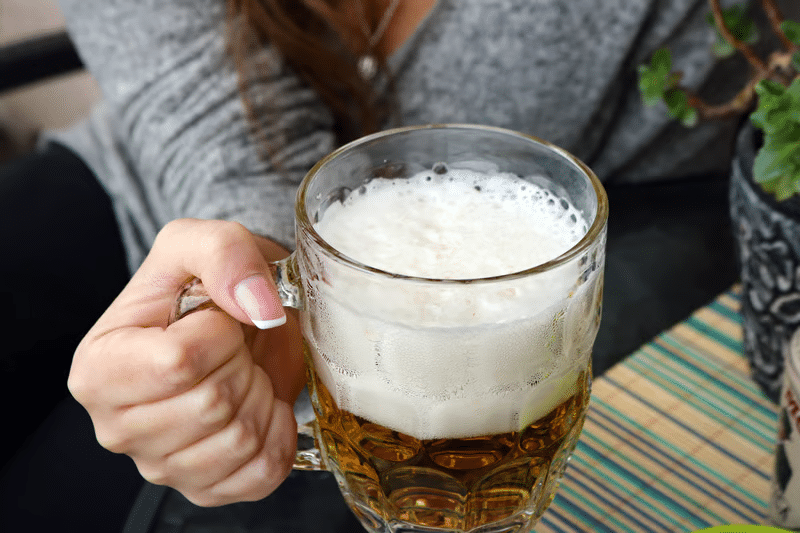
White ale suits warm weather particularly well. In Japan, spring and summer provide excellent opportunities to enjoy a chilled wheat beer on a balcony, at a picnic, or alongside an outdoor meal.
First, chill the bottle according to the serving recommendations on its label. Next, pour slowly into a clean glass. If the beer is naturally cloudy, follow the manufacturer’s instructions before swirling any remaining liquid in the bottle. This approach helps you serve it as intended.
Japanese Food Pairings
For a convenient snack, try pairing Gohobia White Ale with chicken karaage from FamilyMart. The crisp coating and savoury seasoning contrast with the refreshing character of a wheat beer. Meanwhile, the combination works well for a casual evening at home.
You can also serve it with steamed clams prepared with white wine and garlic. The delicate seafood flavour pairs naturally with many light wheat beers. Add crusty bread or a small salad to complete the meal.
For another option, try grilled chicken, tempura, or a light seafood dish. These foods let the beer accompany the meal without overwhelming its flavours.
German-themed beer festivals in Japan also provide an opportunity to explore different beer styles. Prices vary by venue and serving size, so check the current menu if you plan to order white ale at a restaurant or event.
Buy Gohobia White Ale Beer Online in Japan
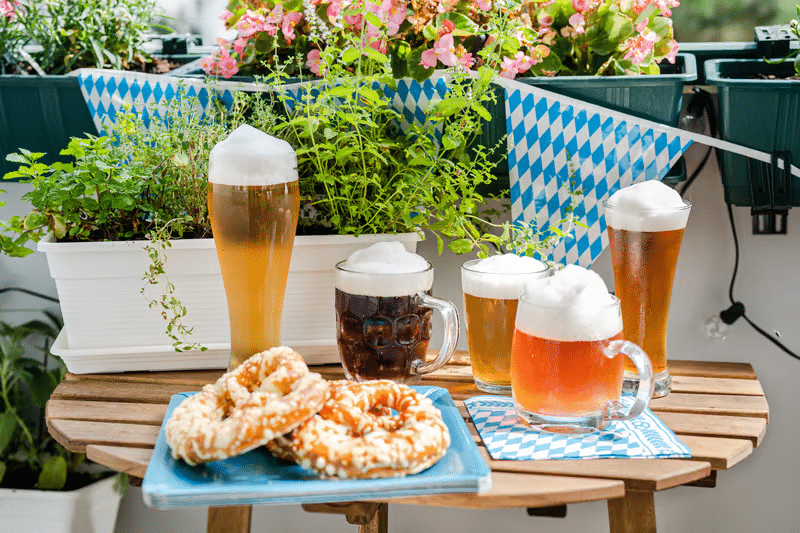
Gohobia White Ale Beer (330ml x 24 bottles) is available now at Omori Mart, with nationwide delivery across Japan.
- Free shipping on orders over ¥15,000
- Konbini payment accepted at FamilyMart, 7-Eleven, and Lawson — plus bank transfer and card
- Nationwide delivery
Rakuten and Amazon Japan do not carry Gohobia White Ale or other German-style brands at this level. Omori Mart does.
[Shop Gohobia White Ale Beer →]
https://omorimart.com/product/gohobia-white-ale-beer-330ml-x-24-bottles/
Prost at a biergarten table, cloudy pale gold in the glass. Kanpai (乾杯) in Tokyo, where the German brewing tradition arrives every autumn and the witbier format belongs on the table in any season.


 No products in the cart.