

České Budějovice has a brewing history that stretches back to the thirteenth century. The town’s German name, Budweis, gave rise to the name Budweiser. Long before American brewers adopted the name, local breweries used it for beers from this South Bohemian city.
The name has since become the subject of a long-running international trademark dispute. However, Czech beer lovers know Budějovický Budvar for its own distinctive brewing heritage.
Founded in 1895, Budějovický Budvar produces a traditional Czech lager with a strong connection to the Bohemian pilsner style. Its pale golden colour, herbal hop character, and clean finish make it a classic choice. For Czech residents in Tokyo, it offers a familiar taste of home.
Discover the Original Budweiser from South Bohemia
Budějovický Budvar, also known as Budweiser Budvar, began brewing in 1895 in České Budějovice, South Bohemia. The city has documented brewing traditions dating back to the thirteenth century.
The brewery remains state-owned and continues to produce Czech lager using traditional brewing methods. Its beers reflect the region’s long-standing connection to Bohemian brewing culture.
Budějovický Budvar Czech Lager Beer has a pale golden colour and a balanced flavour profile. Saaz hops, a celebrated Czech hop variety, contribute herbal, slightly spicy notes and clean bitterness. Soft malt sweetness balances the hops, while the finish remains crisp and refreshing.
At 4.0% ABV, this lager suits relaxed meals and social gatherings. Its approachable strength and balanced flavour make it a natural choice for drinkers who appreciate traditional European beer.
How to Enjoy Budějovický Budvar at Home

Na zdraví! means “to your health” in Czech. It is a familiar toast in Czech homes, restaurants, and traditional beer halls.
Czech beer culture centres on good company, hearty food, and refreshing lager. Budějovický Budvar fits naturally into this tradition. Its balanced malt character and crisp finish complement many classic Czech dishes.
Pair It with Traditional Czech Food
Svíčková is a popular Czech dish featuring beef sirloin with a creamy vegetable sauce. Cooks traditionally serve it with bread dumplings and cranberry garnish. The lager’s clean finish balances the creamy sauce without overpowering the tender beef.
Goulash with knedlíky, or bread dumplings, offers another excellent pairing. The rich beef stew brings paprika, savoury meat, and warming spices. The lager’s gentle bitterness refreshes the palate between bites.
For a traditional beer-hall meal, try roasted pork knee, known as vepřové koleno. Its crispy skin and tender meat pair well with the lager’s carbonation and refreshing finish.
Budějovický Budvar also suits festive occasions. Christmas markets and Easter gatherings in Prague often celebrate Czech food and drink traditions. A glass of Czech lager brings a similar sense of conviviality to meals shared at home.
How to Enjoy Budějovický Budvar in Japan
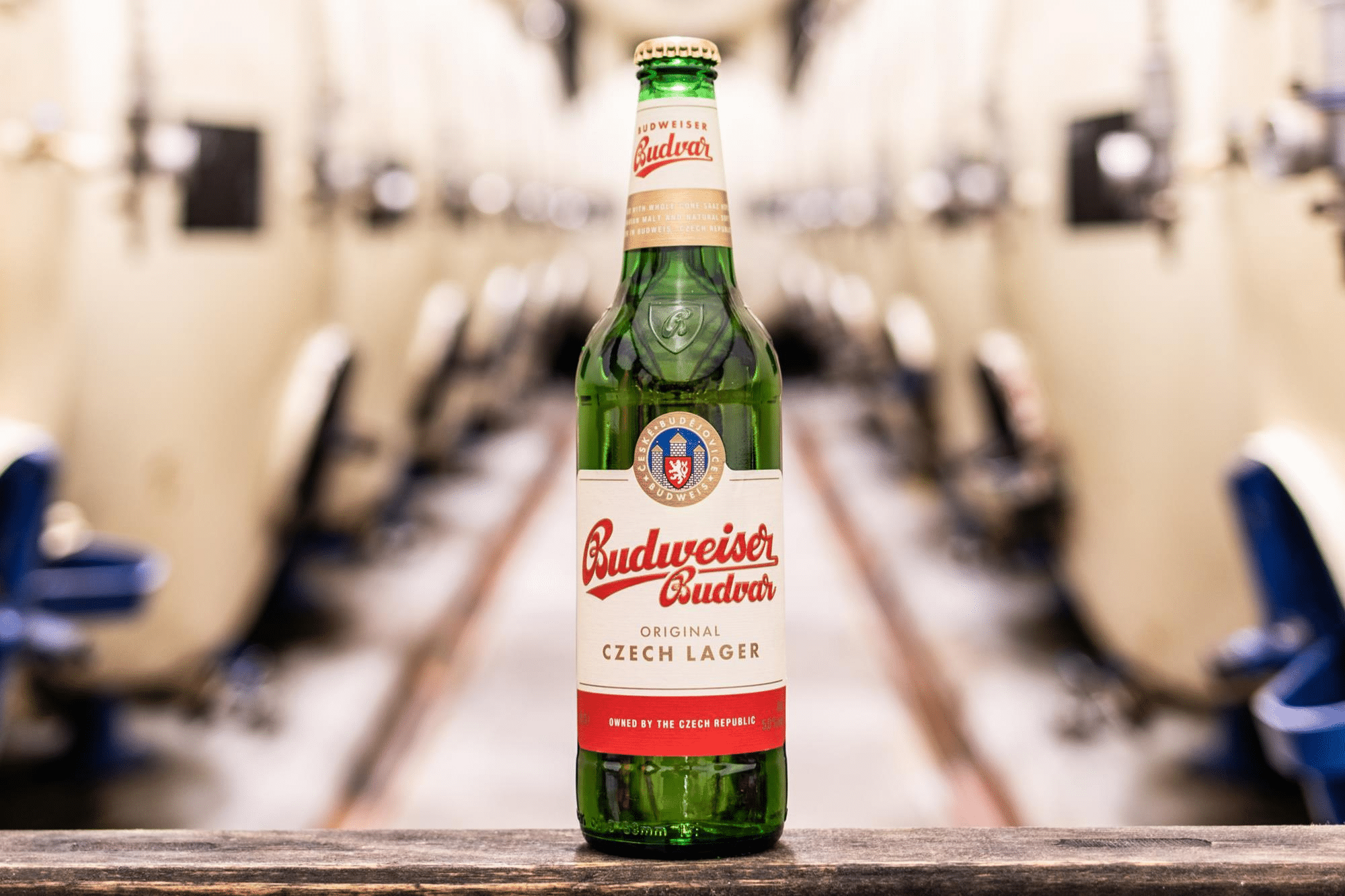
Budějovický Budvar works throughout the year in Japan. Its crisp finish feels refreshing during summer, while its balanced malt character complements the richer meals of autumn and winter.
The beer may also appeal to Japanese drinkers interested in the origins of modern pilsner. Czech brewing traditions helped shape the global popularity of pale lager, making Bohemian-style beers an interesting choice for anyone exploring beer history.
Japanese Food Pairings to Try
For a convenient pairing, try Budějovický Budvar with menchi katsu. This Japanese dish features minced meat coated in breadcrumbs and deep-fried until crisp. The savoury filling complements the malt, while the lager’s bitterness balances the fried coating.
At home, serve the beer with tonkatsu and shredded cabbage. The crispy pork cutlet provides richness, while the cabbage adds freshness and crunch. The lager’s clean finish balances the meal and refreshes the palate.
These pairings bring Czech beer traditions into a Japanese setting. They also demonstrate how a well-balanced lager can complement familiar dishes from different food cultures.
Buy Budějovický Budvar Czech Lager Beer Online in Japan
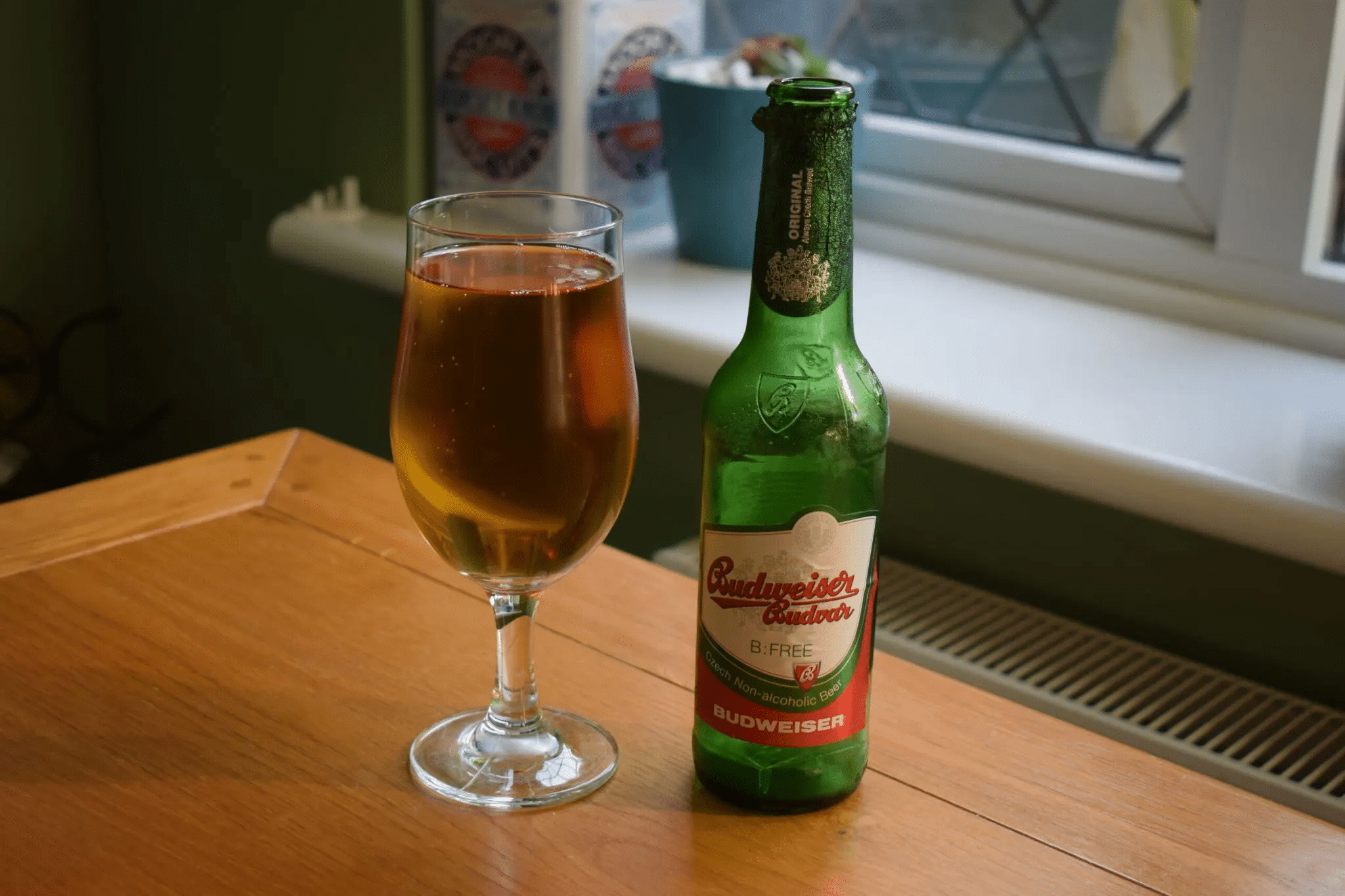
Budějovický Budvar Czech Lager Beer is available from Omori Mart in a 330ml × 24 bottle case, delivered nationwide across Japan.
- Free shipping on orders over ¥15,000
- Pay at FamilyMart, 7-Eleven, or Lawson — or by bank transfer or card
- Nationwide delivery to any address in Japan
Rakuten and Amazon Japan do not carry this label. Omori Mart is where Czech residents in Japan find the lager that holds the standard they grew up with — the original Budweiser, still produced in the city that named it.
[Shop Budějovický Budvar Czech Lager Beer →]
https://omorimart.com/product/budejovicky-budvar-czech-lager-beer-330ml-x-24-bottles/
Na zdraví in České Budějovice, where the city has been producing beer since the thirteenth century, and kanpai at a Tokyo table in November — pale gold, Saaz hops, and the lager that everything else has been trying to match since 1895.


 No products in the cart.