

Some beers stand out because of their flavour. Others stand out because of the time and tradition behind them. Samichlaus Long-Aged Beer belongs to the second category as well as the first. Brewed in Austria, this strong lager offers rich malt character, dark fruit notes, and a warming finish.
The Samichlaus brewing tradition centres on St. Nicholas Day, celebrated on December 6. The beer then undergoes an extended maturation period before release. This patient process helps give the beer its distinctive character.
For Austrian residents in Tokyo, Samichlaus can bring a taste of home to winter celebrations. It also appeals to beer enthusiasts who enjoy strong lagers with depth and complexity. Omori Mart lists the 2023 vintage in a 330ml × 24 bottle case for customers in Japan.
The Story Behind Samichlaus Long-Aged Beer
Samichlaus originated at the Hürlimann brewery in Zurich, Switzerland, in 1979. After production stopped there, Schloss Eggenberg in Vorchdorf, Upper Austria, took over the brewing tradition in 2000. The Austrian brewery continues to produce this distinctive beer.
The name Samichlaus refers to St. Nicholas, whose feast day falls on December 6. The brewery traditionally begins its annual brew on that date. It then matures the beer for an extended period before releasing it.
This unusual schedule gives Samichlaus a strong connection to the winter season. Instead of treating brewing as a continuous process, the tradition places emphasis on a specific annual batch and patient maturation.
Samichlaus is known as a strong lager in the Doppelbock tradition. Its powerful malt profile and high alcohol content distinguish it from everyday lagers. The exact character can vary by vintage, so check the product label for the details of the 2023 release.
What Does Samichlaus 2023 Taste Like?
Samichlaus offers a rich drinking experience that rewards a slower pace. The beer typically develops a deep amber to mahogany colour, with an aroma shaped by malt and dark fruit.
Look for flavours reminiscent of raisins, figs, and dark plums. Extended maturation can also contribute rounded, sherry-like notes. Together, these characteristics create a fuller and more complex profile than most standard lagers.
The listed alcohol strength is around 14% ABV, making Samichlaus much stronger than ordinary beer. Its warming finish and concentrated flavour encourage small pours rather than large servings.
For the best experience, serve it in a suitable glass and allow the aroma to develop. You can also let the beer warm slightly in the glass, which may reveal additional layers of flavour.
Because of its high alcohol content, enjoy Samichlaus slowly and responsibly. A small serving can be enough to appreciate its complexity.
How to Enjoy Samichlaus at Home
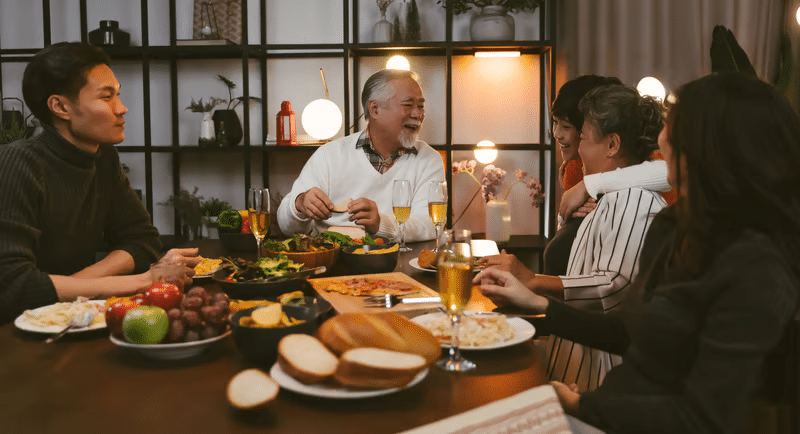
In Austria, winter brings Christmas markets, festive meals, and gatherings with friends. Samichlaus suits these occasions because its rich malt character complements the flavours of the season.
Start with a familiar Austrian dessert such as Sachertorte, Vienna’s famous chocolate cake with apricot jam and chocolate icing. The beer’s dark fruit notes can complement the apricot, while its roasted malt character pairs well with chocolate.
Kaiserschmarrn is another option. This torn pancake often comes with stewed fruit, creating a natural connection with the beer’s fruity profile. Serve a small pour alongside the dessert to avoid overwhelming the meal.
For a savoury pairing, try aged cheese. Mature Gouda or a firm, nutty cheese can balance the beer’s richness with salt and savoury flavours. You can also serve it after a traditional meal, when guests want to linger at the table.
A beer this strong deserves a little attention. Use small glasses, pour moderate servings, and give everyone time to enjoy the aroma and taste. That approach makes Samichlaus particularly suitable for a relaxed evening rather than a quick drinking session.
How to Enjoy Samichlaus in Japan
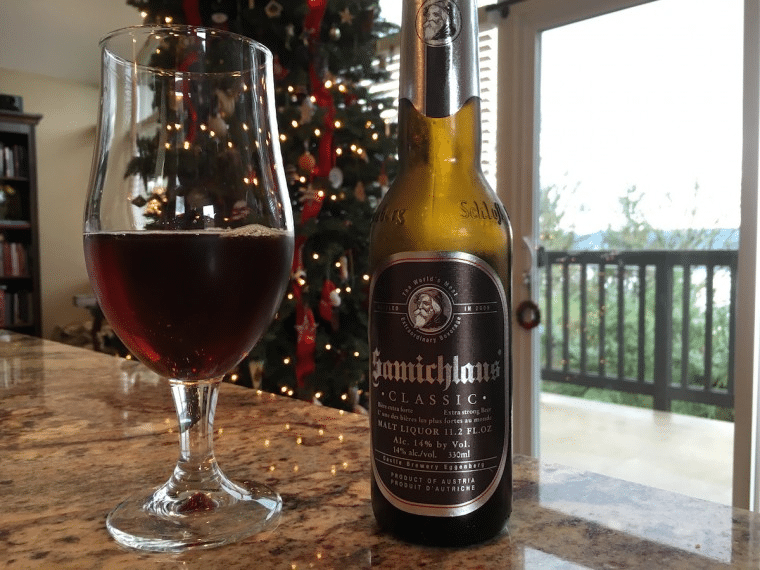
Samichlaus fits naturally into Japan’s colder months, especially November and December. Its association with St. Nicholas Day makes it an interesting choice for winter gatherings and Austrian-themed celebrations.
For British and Austrian beer enthusiasts living in Tokyo, it can add something distinctive to a seasonal beer collection. Japanese drinkers who enjoy strong lagers can also use it to explore a style with a different balance of malt, fruit, and alcohol.
For an easy pairing, serve Samichlaus with dark chocolate. Chocolate with a high cacao content can complement its rich malt character, while the chocolate’s bitterness balances the beer’s sweetness.
A Japanese cheese selection also makes a good accompaniment. Choose aged Gouda or another firm cheese with nutty flavours. The combination offers a satisfying alternative to dessert.
You can also pair the beer with a small serving of dried fruit or nuts. These simple snacks complement the beer without distracting from its aroma.
The 2023 vintage gives this listing a specific vintage identity. However, check the product page for the bottle’s stated vintage, storage details, and current availability before ordering.
Order Samichlaus Long-Aged Beer in Japan
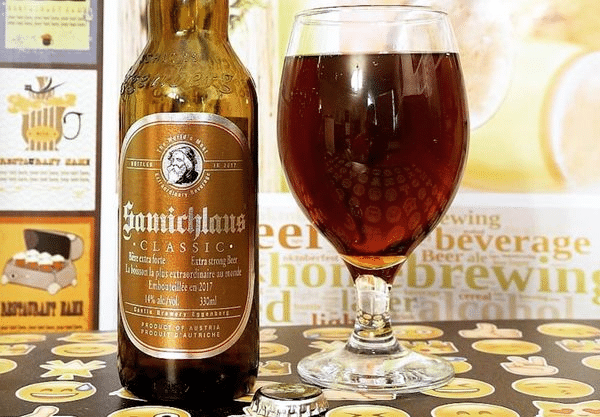
Samichlaus Long-aged Beer – is available from Omori Mart in a 330ml × 24 bottle case (2023 vintage), delivered nationwide across Japan.
- Free shipping on orders over ¥15,000
- Pay at FamilyMart, 7-Eleven, or Lawson — or by bank transfer or card
- Nationwide delivery to any address in Japan
Rakuten and Amazon Japan do not carry this label. Omori Mart is where Austrians in Japan find the beers that carry a date on the bottle and mean it.
[Shop Samichlaus Long-aged Beer →]
https://omorimart.com/product/samichlaus-2023-vintage-long-aged-beer-330ml-pack-of-24/
Prost at Schloss Eggenberg on December 6, when the annual brew begins and the ten months of waiting start, and kanpai at a Tokyo table the following December — deep amber, 14%, and a calendar’s worth of patience in every pour.


 No products in the cart.