

The bottle is recognisable before you read the label. Pale ceramic, painted with pink elephants, standing out on any shelf it occupies — the Delirium Tremens bottle has been one of the more distinctive containers in Belgian beer since Brouwerij Huyghe introduced it in 1989. The name is deliberately provocative, a nod to the hallucinatory state that the beer’s 8.5% ABV might, in sufficient quantity, produce. But the beer inside earned its own reputation independently of the packaging: it was named World’s Best Beer at the 1998 World Beer Championships, which is a different kind of attention than bottle design brings. If you are Belgian and living in Tokyo, finding it here means the pink elephants made the journey too.
East Flanders’s award-winning strong pale ale
Brouwerij Huyghe was founded in 1989 in Melle, a small municipality in East Flanders, Belgium. The brewery developed Delirium Tremens as a Belgian strong pale ale — a style that prioritises yeast character and alcohol integration over malt weight, producing beers that are pale in colour but substantial in strength and flavour complexity. The beer’s recognition at the 1998 World Beer Championships placed it among the most discussed Belgian exports of the period and established the pink-elephant bottle as a known quantity in beer markets worldwide.
The pour is pale gold, deceptively light in colour for a beer at 8.5% ABV. The yeast character is spicy — the phenolic signature of Belgian high-fermentation — with fruity esters sitting alongside and soft malt sweetness providing enough body to carry the alcohol without making it the dominant feature. The warming finish arrives at the end of each sip, integrating rather than announcing the strength. It is a beer that drinks more easily than its ABV suggests, which is simultaneously the style’s appeal and the origin of its name.
How Delilium Tremens Beer is drunk at home

Santé! / Op uw gezondheid! (sahn-TAY / op-uw geh-ZONT-hayt) — French and Flemish respectively, both meaning “to your health.” In Belgium, a beer at this strength tends to slow the pace of toasting slightly, which is appropriate.
In Belgium, Delirium Tremens is a beer associated with the latter half of the evening — the bottle that appears after the meal has settled, when the table has moved from eating to talking. It is not a beer festival staple in the sense that Chimay is for Trappist occasions, but it has a presence at Belgian beer festivals and in the kind of specialist beer café that Flanders and Brussels support in considerable numbers. Moules-frites, Belgium’s most enduring table fixture, works alongside it: the brine and the mild sweetness of steamed mussels find a counterpart in the fruity yeast character, and the fries provide the salt that any strong pale ale benefits from. Stoofvlees, the slow-braised beef stew, suits the beer’s body well if the occasions aligns — the soft malt sweetness of the Delirium responding to the reduced, slightly sweet cooking liquid of the stew. Belgian fries with mayonnaise remain present regardless of the course.
Sunday family lunch in Belgium moves through multiple beers across multiple courses, and Delirium Tremens, at 8.5%, tends to arrive when the afternoon has already established its pace.
How to drink it in Japan
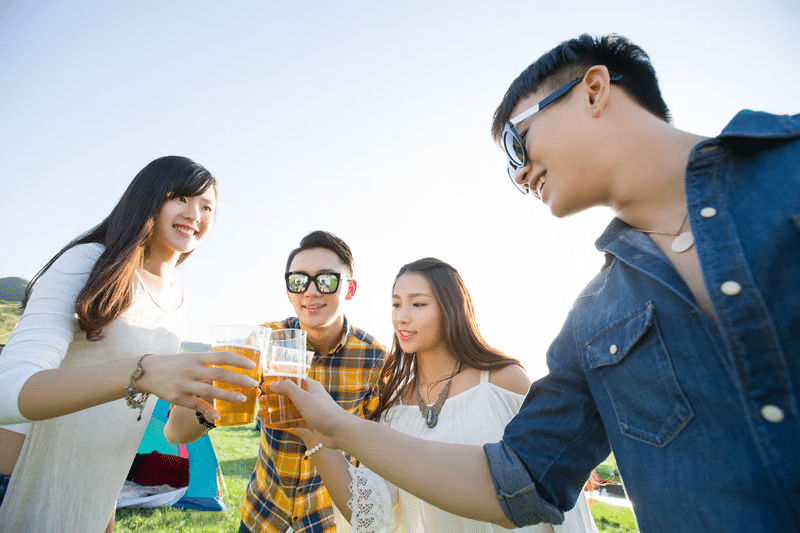
Delirium Tremens is a year-round beer in Japan but earns its place most naturally in the cooler months — October through March — when a strong pale ale with warming alcohol sits comfortably in the evening rather than working against the heat. It is also the beer to open at gatherings that call for something with a reputation: Belgian National Day on July 21, or any evening where someone at the table has never encountered the pink-elephant bottle before.
At 7-Eleven, try it alongside a bag of lightly salted mixed nuts — the fat and salt provide the same grounding function that Belgian fries perform at a home table, and the spicy yeast character of the Delirium responds well to the variety of flavours in a mixed nut selection. For a composed pairing at home, serve it with karaage: the juicy, fried chicken with its seasoned crust responds to the fruity yeast esters and the soft malt sweetness of the beer in a way that makes both elements more interesting. The beer’s dry, warming finish clears the palate between pieces without effort.
Belgian strong pale ales of this recognition level rarely appear in Tokyo’s import bottle shops outside of specialist Belgian beer bars, where a 330ml glass can cost ¥1,200 or more. By the case from Omori Mart, the per-bottle cost is considerably lower, and the distinctive bottle looks exactly as it should on a Tokyo shelf.
Get Delilium Tremens Beer delivered in Japan
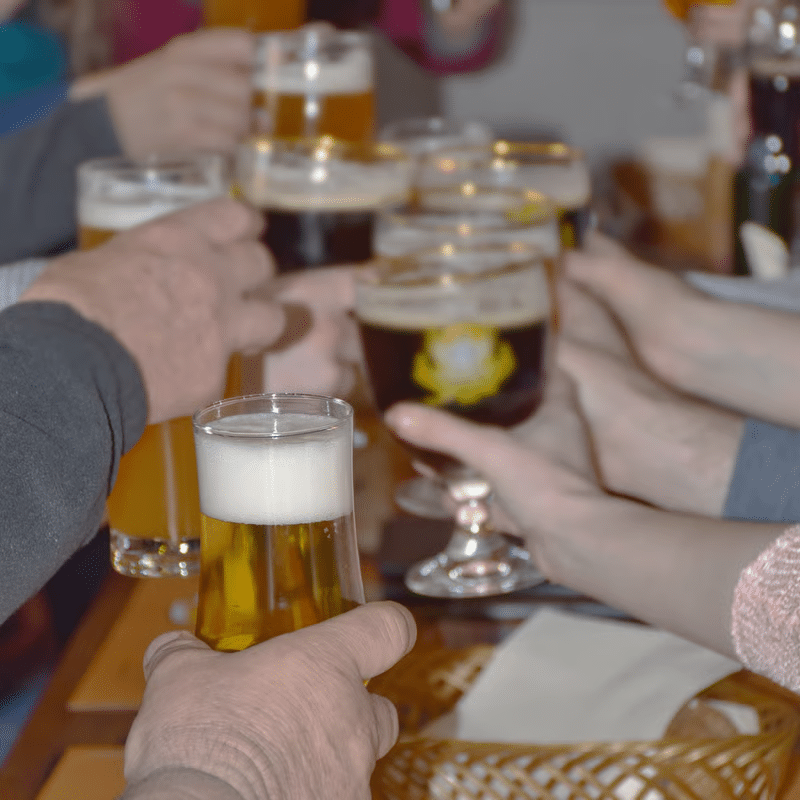
Delilium Tremens Beer is available from Omori Mart in a 330ml × 24 bottle case, delivered nationwide across Japan.
- Free shipping on orders over ¥15,000
- Pay at FamilyMart, 7-Eleven, or Lawson — or by bank transfer or card
- Nationwide delivery to any address in Japan
Rakuten and Amazon Japan do not carry this label. Omori Mart is where Belgians in Japan find the beers that belong on a serious shelf — including the ones with pink elephants on them.
[Shop Delilium Tremens Beer →]
https://omorimart.com/product/delilium-tremens-beer-330ml-x-24-bottles/
Santé in Melle, East Flanders, where the bottle that travels the world was first filled in 1989, and kanpai at a Tokyo table in November — World’s Best Beer, still in the same recognisable bottle, still worth the occasion.



 No products in the cart.