

Along the Danube in Upper Austria, Stift Engelszell has a history dating back to 1293. The Cistercian abbey later became home to Austria’s only Trappist brewery. In 2012, the monks revived brewing at the abbey, bringing a distinctive Austrian beer tradition back to life.
Trappist beer holds a special place in brewing culture. Monks oversee production, and the brewery operates within the monastic community. The tradition also connects brewing with the abbey’s spiritual and charitable work.
For Austrians living in Tokyo, finding a beer from Engelszell offers a taste of home. Engelszell Gregorius Trappist Beer stands out for its strong dark character, rich flavor, and connection to centuries of Austrian history. Available through Omori Mart, it offers beer enthusiasts in Japan a chance to explore an unusual European brewing tradition.
Stift Engelszell: Austria’s Historic Trappist Brewery
Stift Engelszell stands in Engelhartszell, Upper Austria, near the Danube River. The abbey dates to 1293, although its brewing history developed much later. In 2012, the monks resumed beer production and introduced a range of distinctive Trappist ales.
Engelszell became known as Austria’s first and only Trappist brewery. Its brewing tradition followed the principles associated with authentic Trappist production, including monastic supervision and a connection to the abbey community.
Gregorius takes its name from a former abbot of Engelszell. This strong dark ale stands among the brewery’s best-known beers. Its distinctive character makes it particularly appealing to drinkers who enjoy rich, complex European ales.
At 10.5% alcohol by volume (ABV), Gregorius offers a full-bodied drinking experience. It pours a deep brown color and can reveal notes of dark fruit, including raisins, figs, and plums. Honey contributes additional sweetness, while the malt character and warming alcohol create a long finish.
Unlike lighter lagers, Gregorius rewards slow sipping. Its rich flavor profile makes it a natural choice for special dinners, quiet winter evenings, and occasions that call for something distinctive.
How Austrians Enjoy Strong Dark Beer at Home

Prost! is the familiar German-language toast used throughout Austria. Friends and family raise their glasses at celebrations, dinners, and relaxed evenings together. In Austria, the word connects people across regions and generations.
A strong dark ale such as Gregorius suits a more leisurely occasion. Rather than serving it as an ordinary after-work beer, consider enjoying it alongside a carefully prepared meal or after dinner.
Austrian cuisine offers several interesting pairing options. Wiener Schnitzel, the famous breaded and pan-fried cutlet, provides a crisp, savory contrast to the beer’s rich malt character. The golden crust and tender meat can balance its sweetness.
For dessert, try Sachertorte, Vienna’s celebrated chocolate cake with apricot jam and a dark chocolate glaze. The chocolate complements the beer’s dark malt notes, while the apricot echoes its fruit character. Together, they create a particularly appealing combination.
Kaiserschmarrn, a fluffy shredded pancake traditionally served with fruit compote, offers another option. Its warm, sweet flavors complement the beer’s dark fruit and honey notes.
The Austrian Christmas market season provides another opportunity to enjoy this style of beer. From late November through December, markets fill towns and cities with festive lights, seasonal food, and the aroma of warming spices. After an evening outdoors, a carefully poured glass of Gregorius can provide a fitting end to the occasion.
How to Enjoy Engelszell Gregorius in Japan
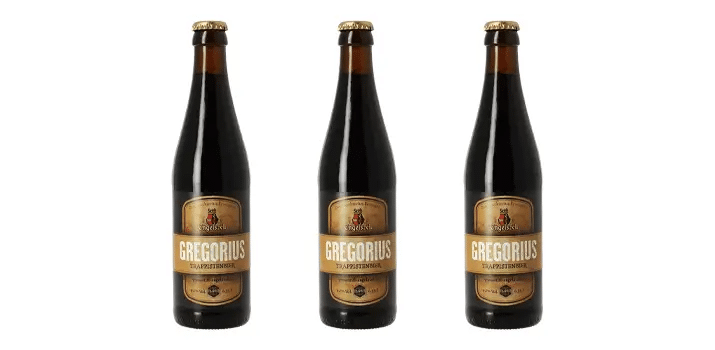
Japan’s colder months provide an excellent setting for rich, dark ales. From November through February, Gregorius pairs naturally with hearty meals and relaxed evenings at home.
It can also add something special to gatherings among Austrian residents in Tokyo. Whether you’re hosting a winter dinner or celebrating the Christmas season, this distinctive beer offers a connection to Austria’s brewing heritage.
For a simple snack pairing, try dark chocolate from FamilyMart. Its cocoa bitterness complements the beer’s sweetness, while the combination highlights the depth of both flavors. This option also works well when you want a small treat without preparing a full meal.
For dinner, consider Japanese wagyu nikomi, a slow-braised beef dish. The tender meat and savory sauce complement the beer’s rich body and warming finish. If the recipe includes red wine or other deeply flavored ingredients, the pairing can become even more satisfying.
Gregorius also suits roasted meats, mature cheeses, and desserts featuring dark chocolate or dried fruit. Because it has a relatively high alcohol content, serve it in moderate portions and take your time appreciating its flavor.
For enthusiasts who want to explore European Trappist beers, ordering a case from Omori Mart provides a convenient way to plan several special occasions throughout the winter.
Get Engelszell Gregorius Trappist Beer Delivered in Japan
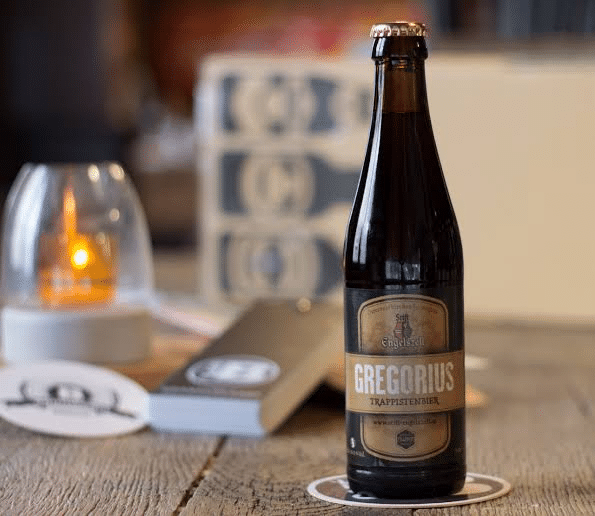
Engelszell Gregorius Trappist Beer is available from Omori Mart in a 330ml × 24 bottle case, delivered nationwide across Japan.
- Free shipping on orders over ¥15,000
- Pay at FamilyMart, 7-Eleven, or Lawson — or by bank transfer or card
- Nationwide delivery to any address in Japan
Rakuten and Amazon Japan do not carry this label. Omori Mart is where Austrians in Japan find the beers that carry the full weight of the country’s history — including the one from the abbey on the Danube that resumed brewing in 2012 and earned its place among fourteen.
[Shop Engelszell Gregorius Trappist Beer →]
https://omorimart.com/product/engelszell-gregorius-trappist-beer-330ml-x-24-bottles/
Prost at Stift Engelszell, where monks resumed brewing on the Danube in 2012 after an abbey that has stood since 1293, and kanpai at a Tokyo table in December — dark fruit, honey, warming to the last, and one of only fourteen in the world.


 No products in the cart.