

The Chimay Blue is a beer most Belgians know. The Grande Réserve is the version that asks something different of you: patience. It is the same liquid that goes into the standard 330ml bottle, but vintage-dated and presented in 750ml format specifically because this beer is built to age — to be put away in a cool, dark corner and revisited a year, three years, or longer after purchase. If you grew up in Belgium with Chimay in the house, you likely know someone who has a small collection of Grande Réserve bottles, each labelled with its vintage, waiting for an occasion that has not yet arrived. If you are Belgian and living in Tokyo, starting that collection here is entirely possible.
The vintage-dated edition of Chimay’s flagship dark ale
Bières de Chimay — the brewery of Scourmont Abbey — was founded in 1862 in Baileux, near Chimay in the Hainaut province of southern Belgium. The Grande Réserve designation refers to vintage editions of the Chimay Blue, bottled in larger formats and dated by year, intended for cellaring rather than immediate consumption. The liquid itself is the same Chimay Blue recipe that has been in continuous production since 1948 — what changes is the format and the bottle-conditioning runway.
Like the standard Blue, the Grande Réserve is a Belgian strong dark ale, bottle-conditioned with live yeast that continues to develop the beer’s character after packaging. Dark fruit, caramel malt, and a warming finish from the 9.0% ABV define the profile, but the large-format presentation and extended conditioning time mean the beer is given the opportunity to deepen — the fruit notes growing more complex, the integration between malt and alcohol becoming smoother over months and years in the bottle. This is a beer that the Scourmont monks brew with longevity in mind, and the 750ml format, in particular, is the one most associated with serious cellaring within Belgian beer circles.
How Chimay Blue Grande Reserve Beer is drunk at home

Santé! / Op uw gezondheid! (sahn-TAY / op-uw geh-ZONT-hayt) — French and Flemish respectively, both meaning “to your health.” For a Wallonian abbey beer like Chimay, Santé is the toast most often heard, though either holds at any Belgian table.
A Grande Réserve is not opened casually. In Belgium, it tends to appear at the more deliberate end of a Sunday family lunch — the bottle that someone has been saving, brought out specifically because the occasion warrants it, shared across the table in smaller pours than the standard beer might receive. Stoofvlees, beef braised slowly in dark ale until the sauce reduces to something close to syrup, is the pairing that matches the Grande Réserve’s depth most precisely — a dish built on the same patience the beer itself requires. Moules-frites remains a constant on the Belgian table regardless of which beer accompanies it, and Belgian fries with mayonnaise are present at nearly every sitting, providing the salt and starch that a strong, fruit-forward ale benefits from.
The tradition of Trappist abbey pilgrimage — visiting Scourmont or one of Belgium’s other Trappist breweries as something between tourism and quiet observance — gives a vintage-dated bottle like the Grande Réserve a particular resonance. It is a beer connected to place and to time in a way that few other products are.
How to drink it in Japan

The Grande Réserve rewards the same patience in Japan that it does in Belgium. Once acquired, it can be stored in a cool, dark spot in a Tokyo apartment and opened on a date that matters — a birthday, an anniversary, Belgian National Day on July 21, or St. Nicholas Day on December 6.
When the bottle is opened, at Lawson, look for a dark chocolate bar above 70% cacao — the bitterness and depth of the chocolate meet the dark fruit and caramel of the Grande Réserve without either side overwhelming the other. For a more composed pairing at home, serve it alongside duck confit-style dishes or a rich Japanese stew like gyusuji nikomi, beef tendon slow-simmered until tender. The reduction-heavy, slightly sweet character of these dishes mirrors what Stoofvlees does for the standard Blue, and the larger 750ml format means there is enough beer to share across a proper table.
A vintage-dated Trappist beer of this format is rare in Tokyo’s specialty import shops, and when available, it can cost ¥3,000 or more per bottle. By the case from Omori Mart, the per-bottle cost is considerably lower, with both 750ml × 12 and 750ml × 6 formats available depending on how large a cellar you intend to start.
Get Chimay Blue Grande Reserve Beer delivered in Japan
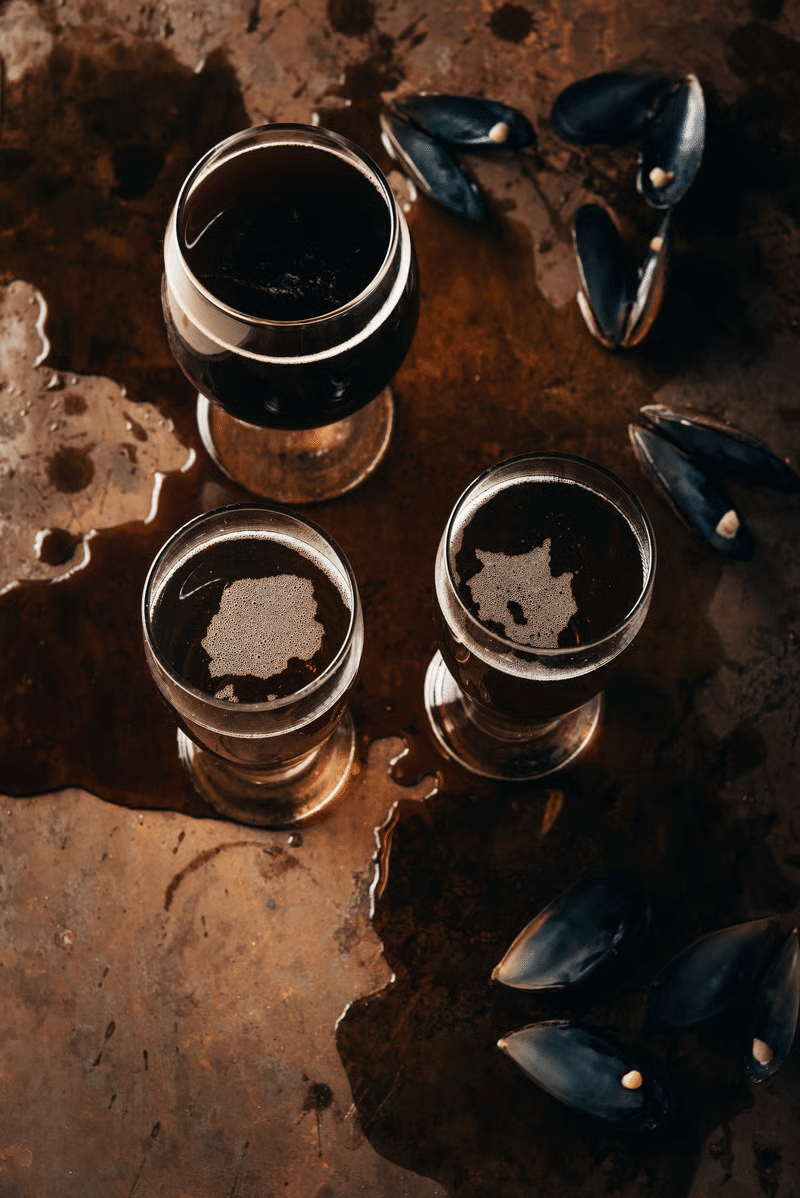
Chimay Blue Grande Reserve Beer is available from Omori Mart in 750ml × 12 and 750ml × 6 bottle cases, delivered nationwide across Japan.
- Free shipping on orders over ¥15,000
- Pay at FamilyMart, 7-Eleven, or Lawson — or by bank transfer or card
- Nationwide delivery to any address in Japan
Rakuten and Amazon Japan do not carry this label. Omori Mart is where Belgians in Japan find the Trappist beers worth starting a collection with.
[Shop Chimay Blue Grande Reserve Beer →]
- https://omorimart.com/product/chimay-blue-grande-reserve-beer-750ml-x-6-bottles/
- https://omorimart.com/product/chimay-blue-grande-reserve-beer-750ml-x-12-bottles/
Santé at Scourmont Abbey, where vintage bottles are dated and set aside to wait, and kanpai at a Tokyo table years later when the right occasion finally arrives — some beers are made to be opened immediately, and this one is not.



 No products in the cart.