

When summer arrives, a refreshing beer can make a warm afternoon even more enjoyable. Radler combines beer with lemon juice or lemon soda to create a light, citrus-forward drink. Its bright flavour and lower alcohol content make it a popular choice for people who prefer something lighter than regular beer.
The Radler tradition has strong roots in Bavaria and Austria. Today, this beer-and-lemon combination appeals to drinkers across Europe and beyond. Radler Beer with Natural Lemon Juice offers a refreshing option for summer meals, outdoor gatherings, and relaxed evenings at home.
At 2.4% ABV, this Radler provides a lighter alternative to many full-strength beers. Omori Mart lists it in a convenient 330ml × 24 bottle case for customers in Japan. Whether you’re an Austrian resident missing a familiar summer drink or simply enjoy citrus flavours, Radler is worth exploring.
The Story Behind Radler Beer
The word Radler means “cyclist” in German. One popular origin story dates to 1922, when Munich innkeeper Franz Xaver Kugler reportedly mixed beer with lemon soda to serve a large group of thirsty cyclists. The story has become closely associated with the drink, although accounts of its exact origins vary.
Regardless of how the recipe first emerged, Radler became a familiar summer drink throughout Bavaria and Austria. Its appeal lies in its simple combination of beer and citrus. The beer provides a malty foundation, while lemon adds a bright, refreshing finish.
Radler recipes vary between producers. Some use lemon soda, while others feature lemon juice or citrus flavourings. This product’s name highlights natural lemon juice, making it an option for shoppers looking for a citrus-led beer drink.
The result is a refreshing alternative to a conventional lager. At 2.4% ABV, it also has a lower alcohol content than many standard beers. However, it remains an alcoholic drink, so enjoy it responsibly.
What Does Radler Beer with Natural Lemon Juice Taste Like?
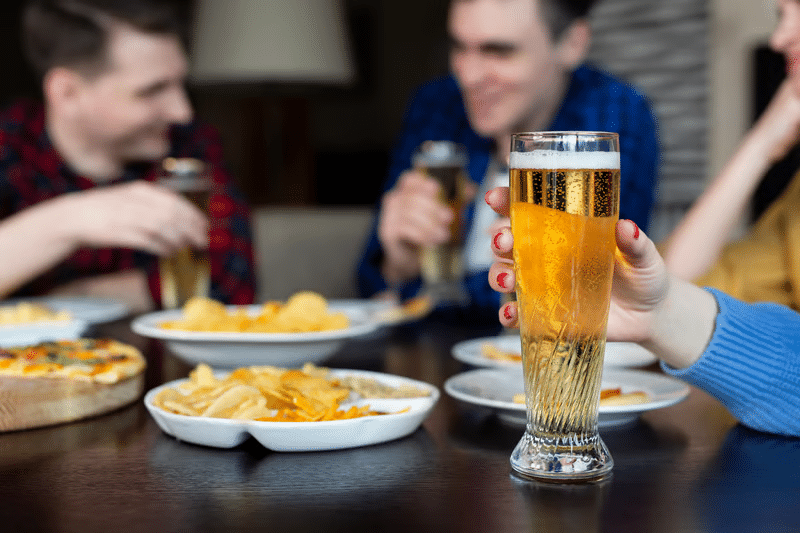
Radler combines the familiar character of beer with the lively taste of lemon. Expect a citrus-forward profile balanced by a lighter beer base. Its pale-gold appearance and refreshing flavour make it particularly appealing during warmer weather.
The lemon character brings brightness, while the beer adds body and a subtle malt note. As a result, Radler can appeal to people who find traditional beer too bitter or heavy.
Its 2.4% ABV also makes it a useful choice for occasions when you want a lower-alcohol option. You can serve it at a summer lunch, enjoy a bottle with a light meal, or offer it at a casual gathering.
For the best experience, chill the bottles before serving. A clean glass can help you appreciate the drink’s colour and aroma. Since recipes differ, check the product label for the full ingredient list and specific serving recommendations.
How to Enjoy Radler Beer at Home
In Austria, Radler suits outdoor lunches, cycling breaks, garden gatherings, and casual meals. Its lemon flavour also works well with dishes that feature fried or grilled ingredients.
For example, try it with Wiener Schnitzel, the classic breaded and fried cutlet. Lemon traditionally accompanies the dish, so Radler’s citrus character complements the crispy coating and rich flavours.
It can also pair well with grilled sausages, sandwiches, salads, and other light meals. For dessert, consider fruit-based pastries or a simple fruit salad. Their freshness can complement the beer’s citrus notes.
Serve Radler chilled at a relaxed gathering with friends. You don’t need a complicated menu or a formal occasion. A few snacks, a cold bottle, and good company are enough.
The drink is also associated with warm-weather leisure in Austria and Bavaria. Although Christmas markets and winter celebrations have their own traditional drinks, Radler feels especially at home during the brighter months.
How to Enjoy Radler Beer in Japan

Japan’s hot, humid summer makes refreshing citrus drinks especially appealing. From June through August, Radler can be an enjoyable option for outdoor meals, balcony gatherings, and casual evenings at home.
Its lemon flavour may also appeal to people who already enjoy Japan’s wide range of citrus drinks. However, Radler offers something different: the combination of citrus and a light beer base.
For a simple pairing, serve it with chicken karaage. The crisp coating and savoury seasoning contrast nicely with the bright lemon character. Cold chicken tatsuta-age, which features ginger and soy sauce, is another option for a summer meal.
You can also serve Radler with edamame, grilled chicken, salty snacks, or a light sandwich. These uncomplicated pairings let the citrus flavour remain prominent without overwhelming the food.
For a casual Japanese-style gathering, arrange chilled bottles alongside a selection of small dishes. The lower alcohol content makes Radler an alternative to stronger beers, although it is still important to monitor alcohol consumption.
Before ordering, check the product listing for current availability, ingredients, and delivery details.
Order Radler Beer with Natural Lemon Juice in Japan
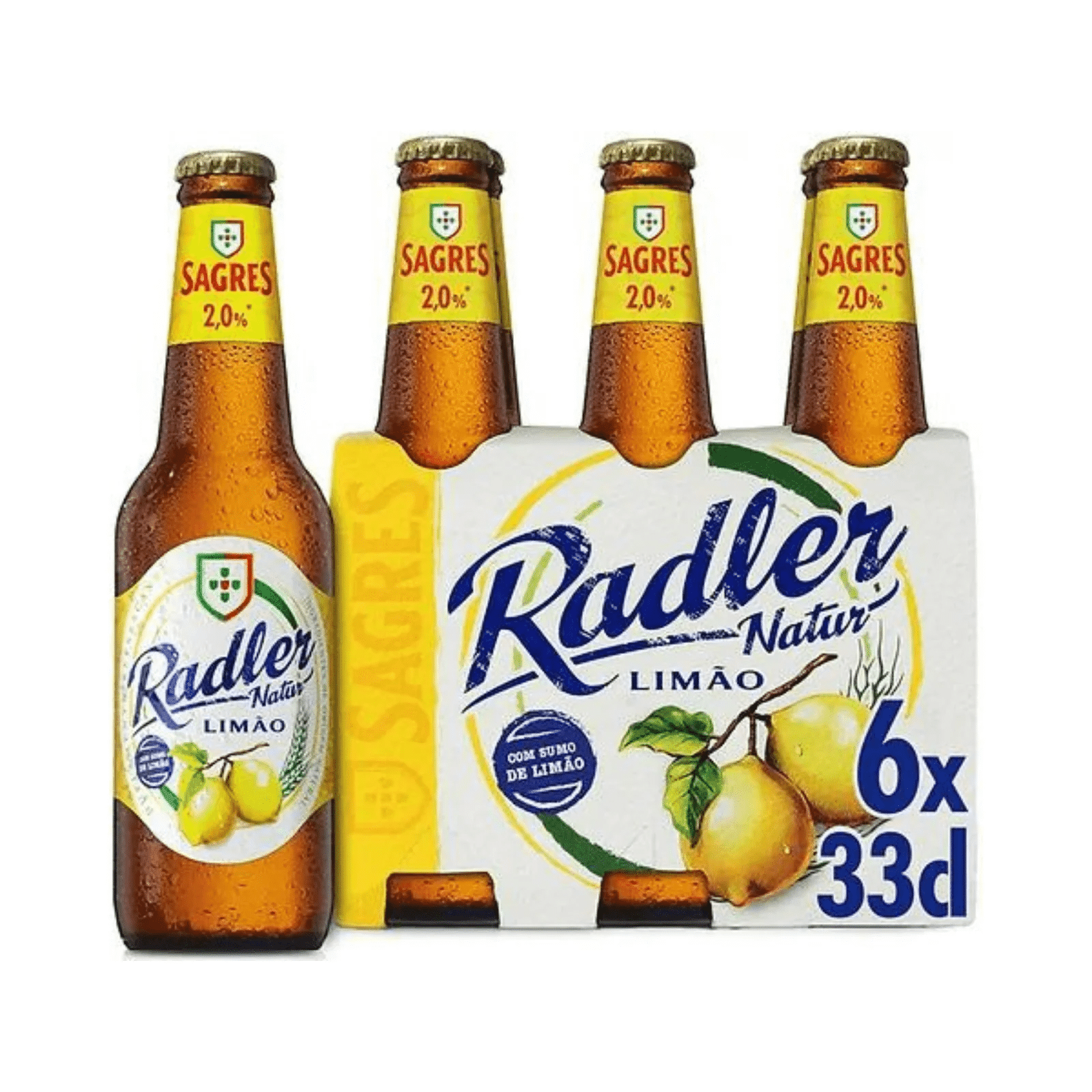
Radler Beer with Natural Lemon Juice is available from Omori Mart in a 330ml × 24 bottle case, delivered nationwide across Japan.
- Free shipping on orders over ¥15,000
- Pay at FamilyMart, 7-Eleven, or Lawson — or by bank transfer or card
- Nationwide delivery to any address in Japan
Rakuten and Amazon Japan do not carry this label. Omori Mart is where Austrians in Japan find the summer drinks that belong in the fridge from June onward — including the one that a Munich innkeeper invented out of necessity in 1922.
[Shop Radler Beer with Natural Lemon Juice →]
https://omorimart.com/product/radler-beer-with-natural-lemon-juice-330ml-x-24-bottles/
Prost outside a Viennese Heurigen on a July afternoon, and kanpai at a Tokyo rooftop in August — pale gold, bright lemon, 2.4% ABV, and the drink that has been solving the problem of a hot day since 1922.


 No products in the cart.