

The stoneware swing-top bottle that Sterkens Brewery uses for the St. Sebastiaan range is the same vessel whether the beer inside is the Dark or the Grand Cru — the same ceramic, the same closure, the same weight in the hand. What changes is the colour when the pour begins: where the Dark is deep brown, the Grand Cru is pale gold, a Belgian strong pale ale at 7.6% ABV with pronounced spicy yeast, malt sweetness, and a warming finish. Two expressions, one bottle, a deliberate contrast that the Meer brewery has maintained since 1900. If you are Belgian and living in Tokyo and the St. Sebastiaan Dark is already familiar, the Grand Cru is the same stoneware swing-top pointing in a different direction — lighter, spicier, and with a different set of pairings at the table.
Meer’s strong pale ale, same iconic stoneware
Sterkens Brewery was founded in 1900 in Meer, in the Antwerp province of northern Belgium. The St. Sebastiaan range — named for the Christian martyr — spans the abbey dubbel tradition of the Dark and the Belgian strong pale ale territory of the Grand Cru, giving the brewery two distinct beers in a shared format. The Grand Cru designation signals the brewery’s elevated expression in the pale ale category: a beer with more strength and complexity than a standard Belgian blonde, produced in the same stoneware swing-top bottle that distinguishes the range visually from every other Belgian import on a Japanese shelf.
The Grand Cru pours pale gold, clear and bright despite its 7.6% ABV. The yeast character is pronounced and spicy — the phenolic notes produced by Belgian high-temperature fermentation — with malt sweetness providing body and balance alongside it. The warming finish arrives cleanly at the close of each sip, the alcohol integrated into the spice and malt rather than separate from them. At this strength and in this style, the Grand Cru sits in the same broad category as Duvel and La Guillotine — pale, hop- and yeast-accented, deceptively drinkable — while carrying the abbey-adjacent identity of the St. Sebastiaan name and the distinctive packaging that sets it apart from its peers.
How St. Sebastiaan Grand Cru Beer is drunk at home
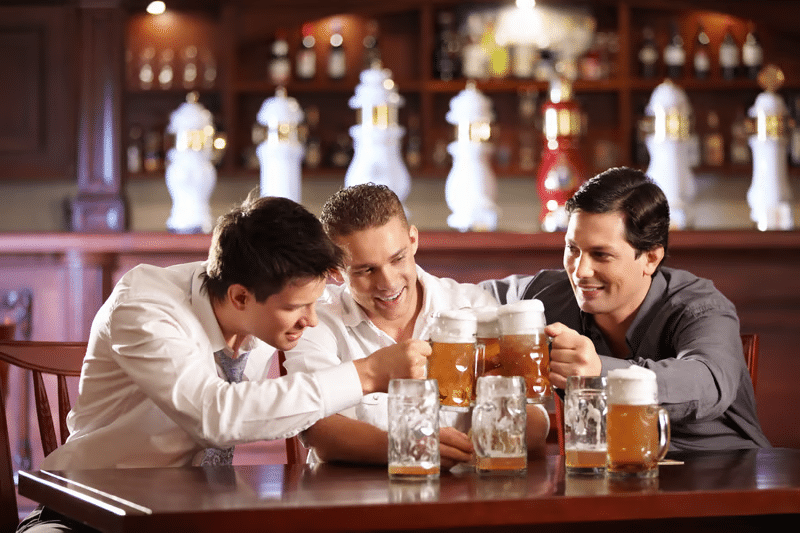
Santé! / Op uw gezondheid! (sahn-TAY / op-uw geh-ZONT-hayt) — French and Flemish respectively, both meaning “to your health.” In Antwerp province, the Flemish toast leads, and a swing-top stoneware bottle uncapped at a Belgian table tends to generate the full round before the first glass is poured.
In Belgium, the Grand Cru belongs to the deliberate part of the Sunday family lunch — the beer opened once the table has established its pace, with enough character to carry the later courses without requiring a change of register. Moules-frites suits it particularly well: the spicy yeast note alongside the brine of steamed mussels finds the same natural equilibrium that a Chimay White or a Duvel achieves with that dish, and the malt sweetness provides enough body to complement the salt of the fries without competing with the seafood. Belgian fries with mayonnaise are present throughout, and the warming finish of the Grand Cru cuts their fat cleanly between bites. Stoofvlees is a heavier pairing than the Grand Cru’s pale ale profile strictly calls for, but a Belgian Sunday lunch does not limit itself to strict pairings — the beer adapts.
Belgian beer festivals give the St. Sebastiaan range a visible position in the abbey-style category, where the stoneware bottle tends to draw attention before anyone has read the label. The Grand Cru, poured pale gold from a ceramic swing-top, is consistently one of the more striking visuals at any Belgian beer table.
How to drink it in Japan
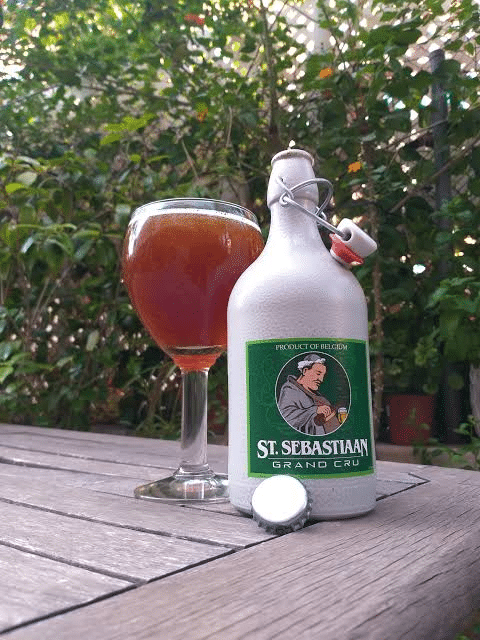
The St. Sebastiaan Grand Cru is a year-round beer in Japan but finds its clearest setting in spring and autumn — April through June and September through November — when the spicy yeast character and the malt sweetness of a Belgian strong pale ale suit the temperature without the warming finish feeling excessive. The stoneware bottle also makes it one of the more practical imports for gift-giving occasions in Japan, where the container is understood to communicate care about the contents.
At 7-Eleven, try it alongside a cheese-filled steamed bun from the bakery counter — the mild dairy richness and the soft dough respond to the spicy yeast character of the Grand Cru in the same way that a cheese course follows a strong pale ale at a Belgian table, the beer’s malt sweetness rounding the dairy without flattening it. For a composed pairing at home, serve it with grilled chicken thigh marinated in sake and shio koji — the fermented rice seasoning draws out the natural sweetness of the chicken, which the malt sweetness of the Grand Cru meets directly, the spicy yeast note providing the aromatic edge the dish needs to remain interesting across the meal. It is a pairing that works because Belgian spicy yeast and Japanese fermentation logic are both about depth achieved through patience.
Belgian strong pale ales in stoneware bottles are entirely absent from Tokyo’s standard retail channels and uncommon even in specialty import shops. By the case from Omori Mart — 500ml × 24 bottles — the per-bottle cost is accessible for a beer at this strength and in this format, and the case provides enough for a season of occasions that call for something worth uncapping properly.
Get St. Sebastiaan Grand Cru Beer delivered in Japan
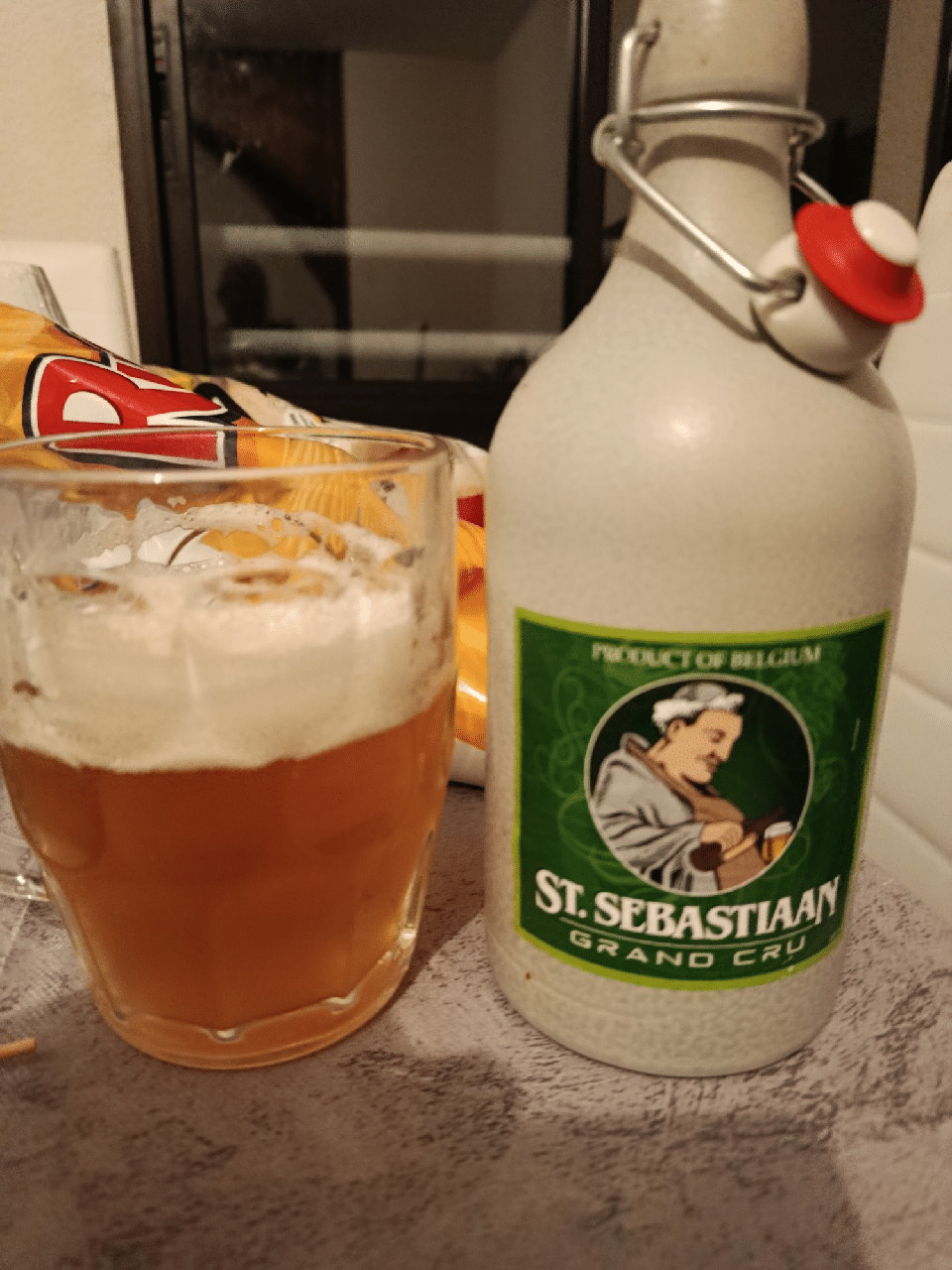
St. Sebastiaan Grand Cru Beer is available from Omori Mart in a 500ml × 24 bottle case, delivered nationwide across Japan.
- Free shipping on orders over ¥15,000
- Pay at FamilyMart, 7-Eleven, or Lawson — or by bank transfer or card
- Nationwide delivery to any address in Japan
Rakuten and Amazon Japan do not carry this label. Omori Mart is where Belgians in Japan find the abbey beers that arrive in the right bottle — and the Grand Cru arrives in the right bottle for the occasion that earned it.
[Shop St. Sebastiaan Grand Cru Beer →]
https://omorimart.com/product/st-sebastiaan-grand-cru-beer-500ml-x-24-bottles/
Santé in Meer, where Sterkens Brewery has been filling the same stoneware swing-top since 1900, and kanpai at a Tokyo table in October — pale gold this time, spicy and warming, and the same satisfying weight in the hand when the bottle arrives.



 No products in the cart.